Curie Brief
Turn on cookies to sign in
Signing in saves your progress to your Curie account. We can only do that with cookies on — turn them on to continue.
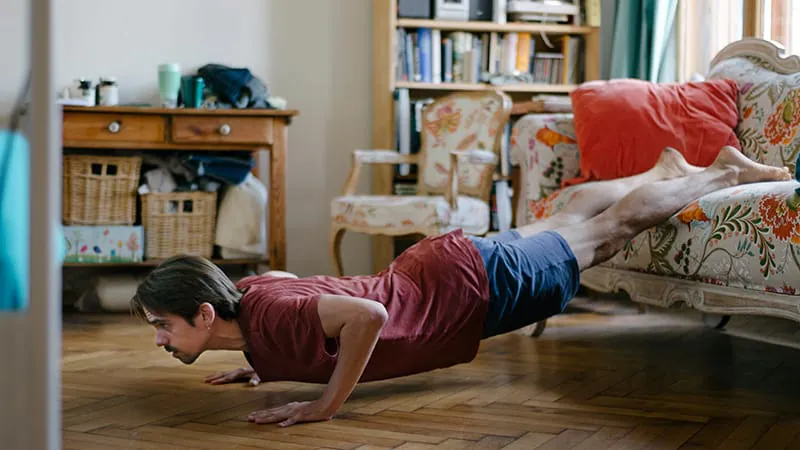
Short bursts of movement — called "exercise snacks" — are proving to be surprisingly powerful medicine. A new consensus review finds that brief bouts of activity improve over 20 health outcomes across ~11 weeks, from blood sugar control to cardiorespiratory fitness. For the 31% of adults who don't meet physical activity guidelines, this bite-sized approach could be a game-changer.
Think you need a full gym session to get healthy? Think again. "Exercise snacks" — short bouts of physical activity sprinkled throughout the day — are showing impressive results across a growing body of research. A new consensus statement in the Journal of Sport and Health Science found that these brief bursts acutely benefit more than 10 clinical biomarkers tied to endocrine, cardiovascular, and brain health. Over ~11-week interventions, they improved more than 20 outcomes, including cardiorespiratory fitness, muscle strength, and metabolic health.
The benefits span both high- and low-intensity movement. In patients with type 2 diabetes, just four 1-minute vigorous bouts per day over 2 days improved postprandial glucose and glycemic variability. Meanwhile, 5-minute walk breaks every 30 minutes reduced blood glucose and systolic blood pressure in sedentary workers — and participants reported less fatigue, better mood, and sharper focus.
Key Takeaways:
Why it matters: With nearly a third of adults falling short of physical activity guidelines, exercise snacks offer clinicians a practical, low-barrier tool to recommend — no gym required.