Curie Brief
Turn on cookies to sign in
Signing in saves your progress to your Curie account. We can only do that with cookies on — turn them on to continue.
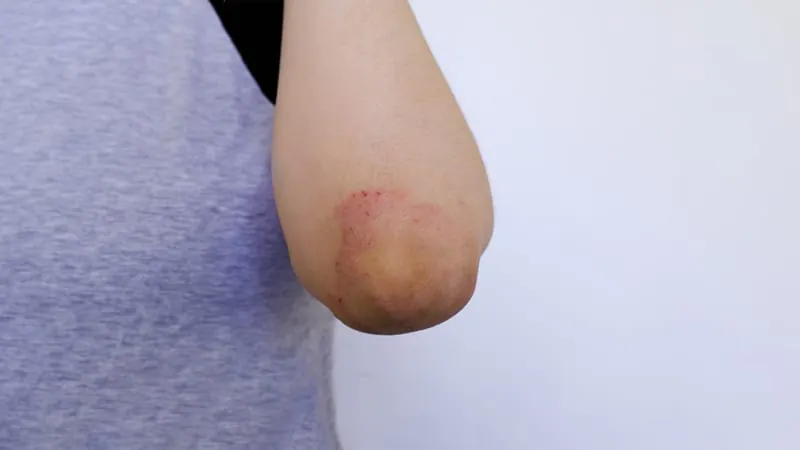
Clearing lesions and controlling itch aren't the same thing. Experts at Brazil's 79th Dermatology Congress emphasized that pruritus, sleep disruption, and quality of life need to be assessed independently from skin scores in atopic dermatitis. As treatments improve, the goal is shifting from clearer skin to true, sustained disease control.
Clearing lesions and controlling itch are related goals—but they're not the same thing. That was a central message at Brazil's 79th Congress of Dermatology, where experts stressed that standard skin scores can show improvement while patients still suffer from persistent pruritus and disrupted sleep. Pruritus, driven by distinct neuroimmune pathways including interleukin-31, warrants its own assessment and treatment targets rather than being treated as a byproduct of skin inflammation.
Long-term data are also reshaping expectations. The ECZTEND study, following over 1,600 patients on tralokinumab for up to 6 years, showed durable skin clearance in the majority of patients—but experts caution that sustained response during treatment doesn't mean the disease is modified. True disease modification would require remission after stopping treatment, a bar that hasn't yet been cleared.
Key Takeaways:
Why it matters: As more effective therapies emerge, defining what "controlled" really means becomes critical. Clinicians need to look beyond skin appearance and assess the full burden of disease—itch, sleep, and quality of life included.