Curie Brief
Turn on cookies to sign in
Signing in saves your progress to your Curie account. We can only do that with cookies on — turn them on to continue.
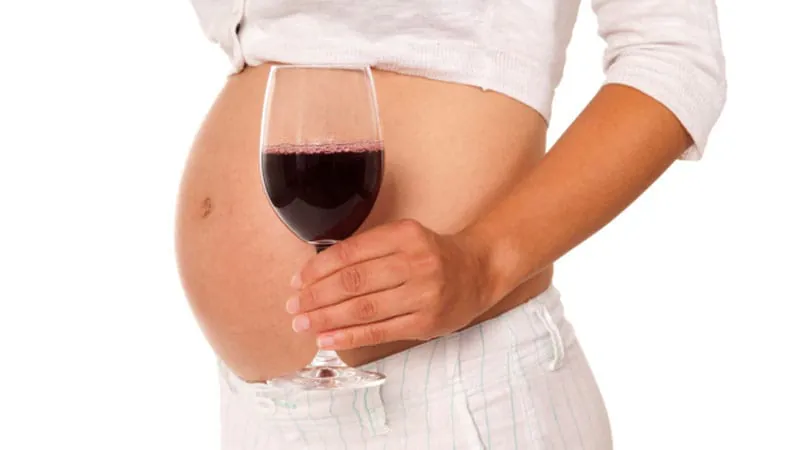
Timing is everything when it comes to alcohol and reproductive health. A new study found that even less than one drink per week during early pregnancy nearly doubles the odds of miscarriage. Interestingly, light drinking before conception was linked to lower odds of infertility — though researchers caution this likely reflects healthier lifestyles rather than a protective effect of alcohol.
A large Dutch study has found that alcohol consumption during early pregnancy — even at very low levels — significantly raises the risk of miscarriage. Researchers analyzed data from over 2,400 pregnancy episodes and found that women who drank less than one glass per week in early pregnancy had nearly double the odds of miscarriage compared to non-drinkers, while those drinking one or more glasses per week faced more than twice the odds.
The picture looked different before conception: women who drank lightly prior to getting pregnant showed lower odds of infertility. However, the authors caution that this likely reflects confounding factors — such as healthier overall lifestyles and socioeconomic advantages — rather than any protective effect of alcohol itself. Male partner alcohol consumption showed no association with infertility.
By the Numbers:
Why it matters: This study reinforces that there is no safe level of alcohol during early pregnancy and underscores the importance of preconception and early-pregnancy counseling focused on miscarriage risk and fetal health.