Curie Brief
Turn on cookies to sign in
Signing in saves your progress to your Curie account. We can only do that with cookies on — turn them on to continue.
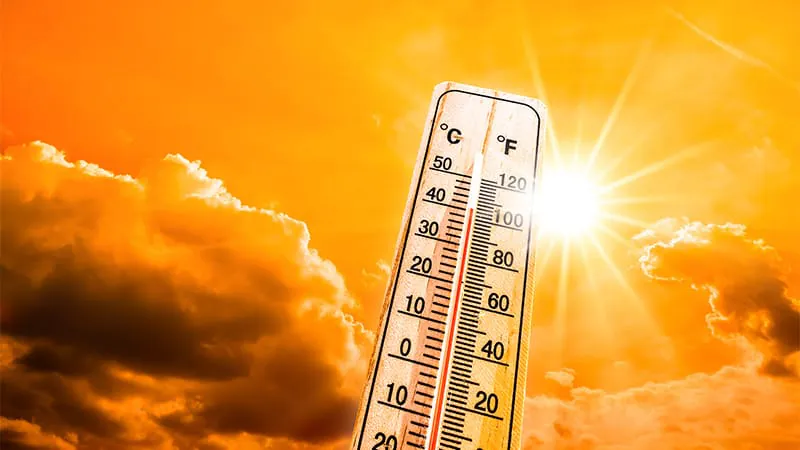
The hottest US summer on record is sending more patients to emergency rooms with heat-related illness, and experts warn the true death toll is massively undercounted. Models suggest around 9,000 Americans die from heat annually — far above the CDC's old estimate of around 700. ERs are adapting with ice body bags, misting fans, and cooling pools to rapidly lower core temperatures.
Summer 2026 broke records — and ERs felt it. The average US temperature from June through August hit 75.6°F, the highest in 132 years of record-keeping, with daytime highs averaging 88.6°F. Hospitals like Parkland Health in Dallas logged 96 heat-related ER visits by September, nearly 50% more than all of 2025. Phoenix's Banner Estrella Medical Center also reported rising heat illness diagnoses, driven partly by more vigilant triage protocols that now probe patients' work environments and medication histories.
The bigger alarm? Heat deaths are dramatically undercounted. While the CDC historically estimated around 700 heat-related deaths per year, climate epidemiologist Quinn Adams, PhD, of Boston University says her models point to roughly 9,000 annual deaths since 2018 — and even that may be low. The culprit is a classification problem: when heat triggers a fatal heart attack or organ failure, the death certificate lists the acute event, not the heat.
By the Numbers
Why it matters: As extreme heat becomes more frequent and geographically widespread, ERs everywhere — not just in Sun Belt cities — need protocols for rapid cooling and heat illness recognition. Misclassified deaths mean the public health response may be chronically under-resourced.