Curie Brief
Turn on cookies to sign in
Signing in saves your progress to your Curie account. We can only do that with cookies on — turn them on to continue.
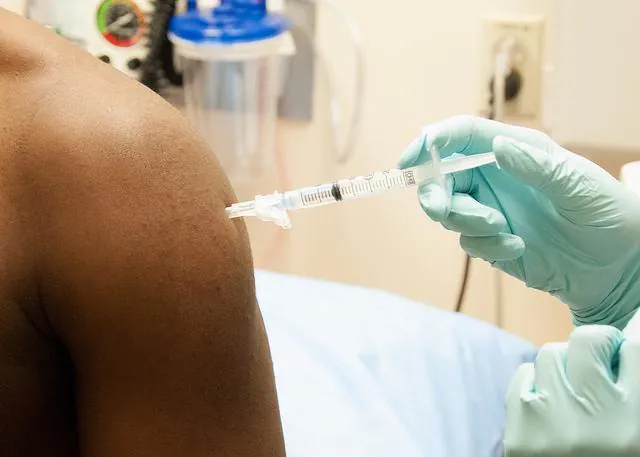
The DRC's worst-ever Ebola outbreak just got a new weapon. Health workers in eastern DRC have begun receiving doses of Merck's Ervebo vaccine in a real-world trial to test whether it can protect against the Bundibugyo strain — a virus it was never designed to fight. With over 7,500 confirmed cases and a 48% fatality rate, the stakes couldn't be higher.
The Democratic Republic of Congo is fighting its largest-ever Ebola outbreak — and now it's trying an unconventional tool to slow it down. Health and frontline workers in eastern DRC have begun receiving doses of Ervebo, Merck's approved Ebola vaccine, in a compassionate-use program and a formal Phase 3 clinical trial. The catch: Ervebo was designed to fight the Zaire strain of Ebola, not Bundibugyo — the strain driving this outbreak. Early animal studies and anecdotal reports from the field suggest some cross-protection may exist, but the trial aims to find out for sure.
The WHO allocated 70,000 doses for DRC — 50,000 for frontline workers and 20,000 for the clinical trial — with Gavi committing $13 million to fund the effort. The IHR Emergency Committee is urging urgent, coordinated action, warning that without a rapid change in trajectory, the epidemic could have "profound national and regional consequences."
By the Numbers:
Why it matters: This trial could redefine how the world responds to future Ebola outbreaks. If Ervebo proves effective against Bundibugyo, it would give health officials a licensed, stockpiled tool to deploy against a strain that currently has no approved vaccine or treatment — a potential game-changer for outbreak response in the region and beyond.