Curie Brief
Turn on cookies to sign in
Signing in saves your progress to your Curie account. We can only do that with cookies on — turn them on to continue.
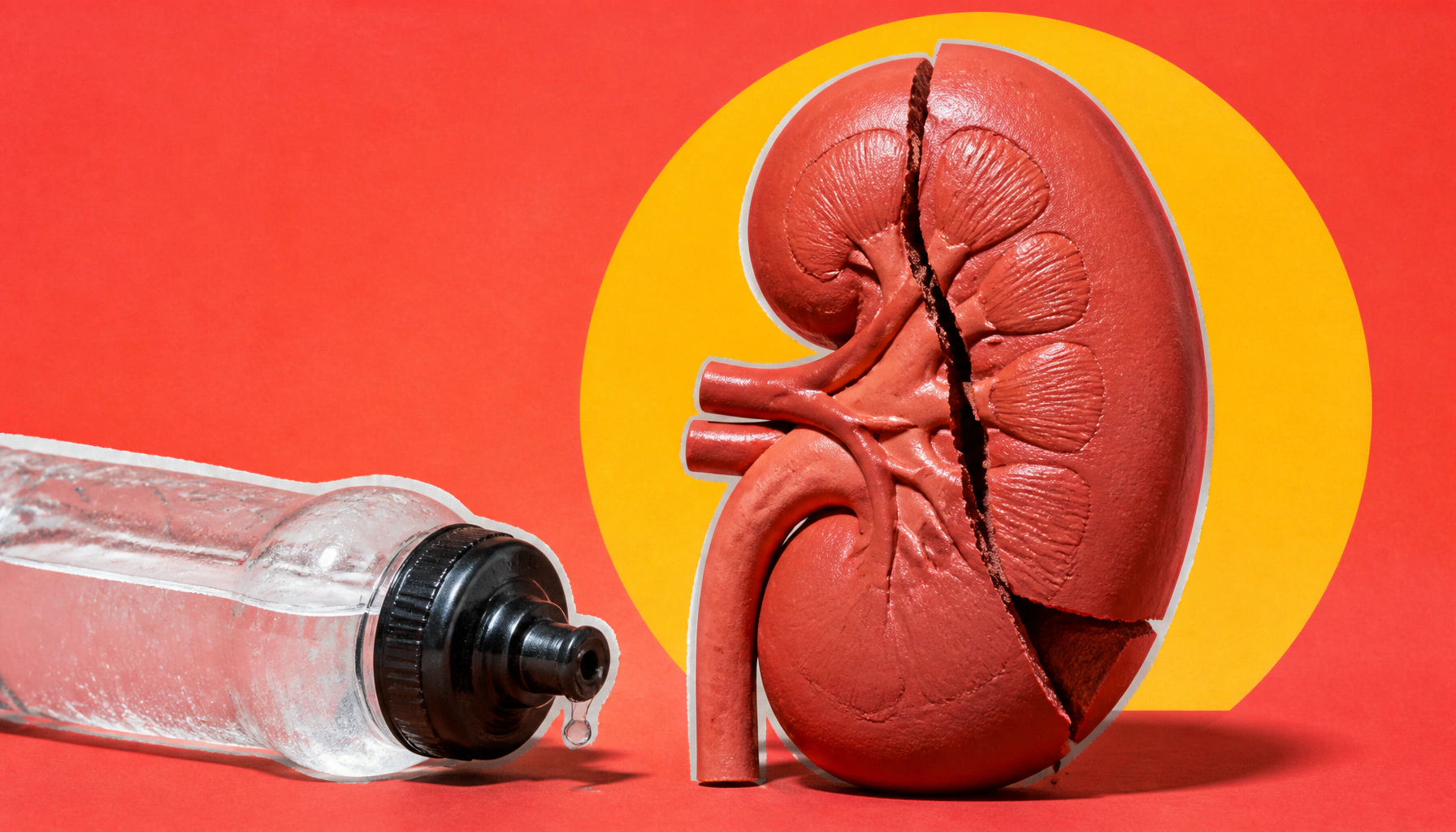
As global temperatures climb, athletes at every level face growing dangers from heat stroke and kidney damage. Sports nephrologist Dr. Raeeda Gheewala explains how dehydration, rhabdomyolysis, and poor acclimatization can turn a practice session deadly — and what coaches, parents, and trainers can do about it. From ice baths to the Wet Bulb Globe Temperature scale, the right knowledge can be lifesaving.
As temperatures rise globally, athletes from youth leagues to elite competitions are increasingly vulnerable to heat stroke and serious organ damage — including kidney failure. Sports nephrologist Dr. Raeeda Gheewala warns that a high school football player dies nearly every year in the U.S. from heat stroke, and the risk is only growing as extreme heat events become more frequent and widespread.
Kidney damage in athletes typically stems from a dangerous combination of dehydration, intense exercise, and inadequate acclimatization. Conditions like rhabdomyolysis (muscle breakdown that can trigger kidney failure), exercise-associated hyponatremia (dangerously low sodium from over-hydrating with plain water), and acute kidney injury can all occur simultaneously — and NSAID use can make things significantly worse.
Key Takeaways:
Why it matters: Heat-related illness is preventable, but only if coaches, parents, and first responders know what to look for and how to act fast. Dr. Gheewala's new certification course aims to bring that life-saving knowledge beyond elite sports programs to Little League fields and community teams.