Curie Brief
Turn on cookies to sign in
Signing in saves your progress to your Curie account. We can only do that with cookies on — turn them on to continue.

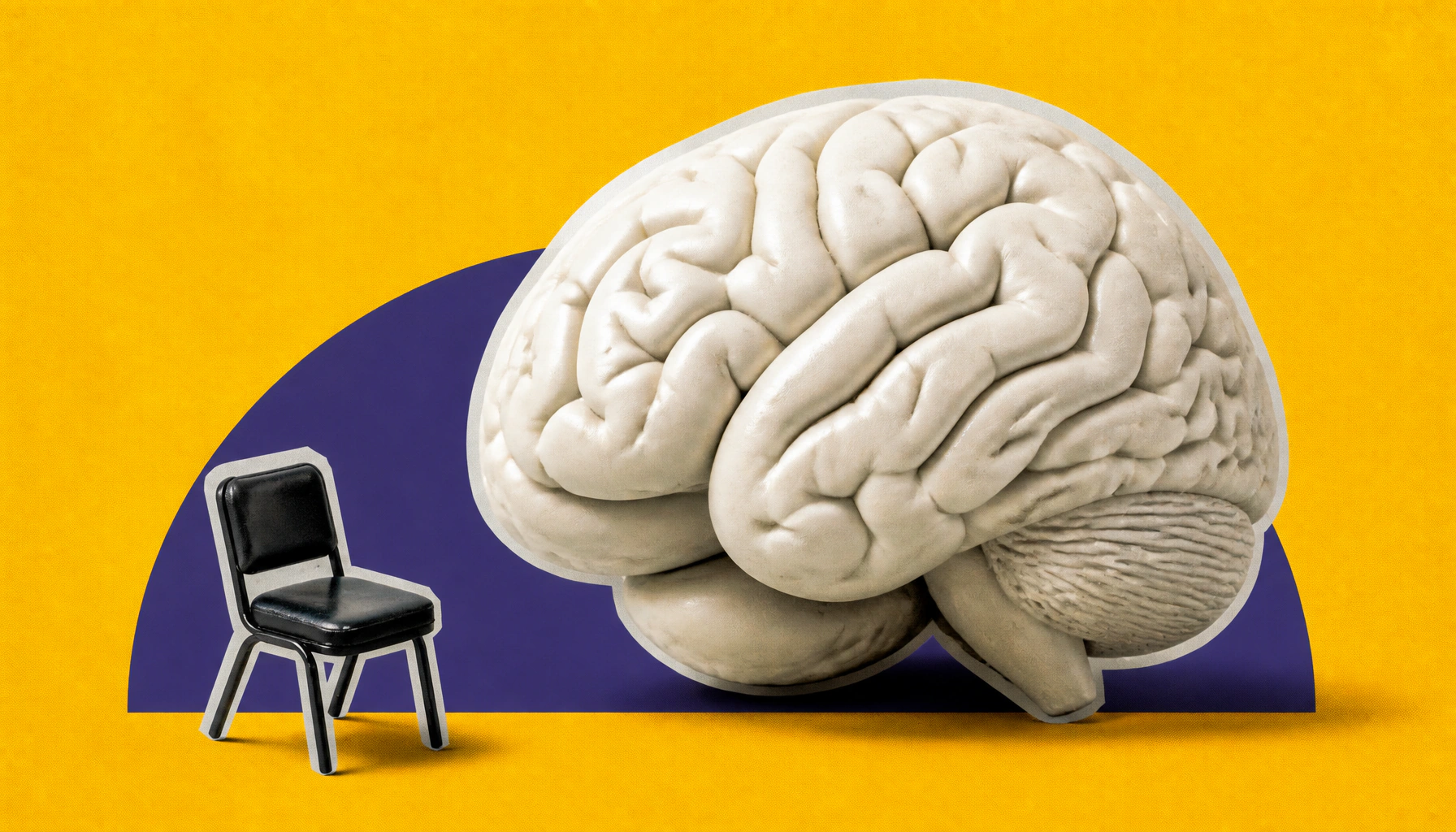
Feeling grief on the wards? That's okay. Medical students entering clinical rotations often face emotionally intense experiences — from patient deaths to trauma — for the first time. Experts say debriefing with peers and faculty, practicing self-care, and recognizing warning signs of depression are key to building resilience without losing compassion.
For medical students stepping into clinical rotations, the jump from textbooks to real patient care can be exhilarating — and emotionally overwhelming. Encounters with patient death, trauma, miscarriage, or stillbirth may be entirely new experiences, and experts say it's critical that students understand that grieving these moments is not a sign of weakness or unsuitability for medicine. In fact, it's a sign of compassion.
Faculty and mentors play a key role here. Experienced physicians are encouraged to debrief with students after difficult encounters, share their own early experiences, and help students distinguish between what went well, what could have been done differently, and what was simply beyond anyone's control.
Key Takeaways:
Why it matters: Burnout and mental health struggles among medical trainees are well-documented. Normalizing emotional responses early in training and equipping students with practical coping strategies can help build a more resilient, compassionate physician workforce.