Curie Brief
Turn on cookies to sign in
Signing in saves your progress to your Curie account. We can only do that with cookies on — turn them on to continue.
Roche's experimental obesity drug enicepatide is turning heads — and not just for the scale. In a mid-stage trial, the once-weekly injection helped overweight or obese patients with type 2 diabetes lose an average of 15.5% of their body weight while also significantly lowering blood sugar levels. About 62% of patients on the highest dose reached non-diabetic blood sugar ranges, putting Roche firmly in the race against Lilly and Novo Nordisk.
Roche's experimental obesity drug enicepatide is showing serious promise — not just for shedding pounds, but for tackling type 2 diabetes head-on. In a mid-stage trial of 447 patients, the once-weekly dual-acting injection (which mimics both GLP-1 and GIP hormones) helped overweight or obese patients with type 2 diabetes lose an average of 15.5% of their body weight over 48 weeks, while also meeting both primary endpoints for blood sugar reduction.
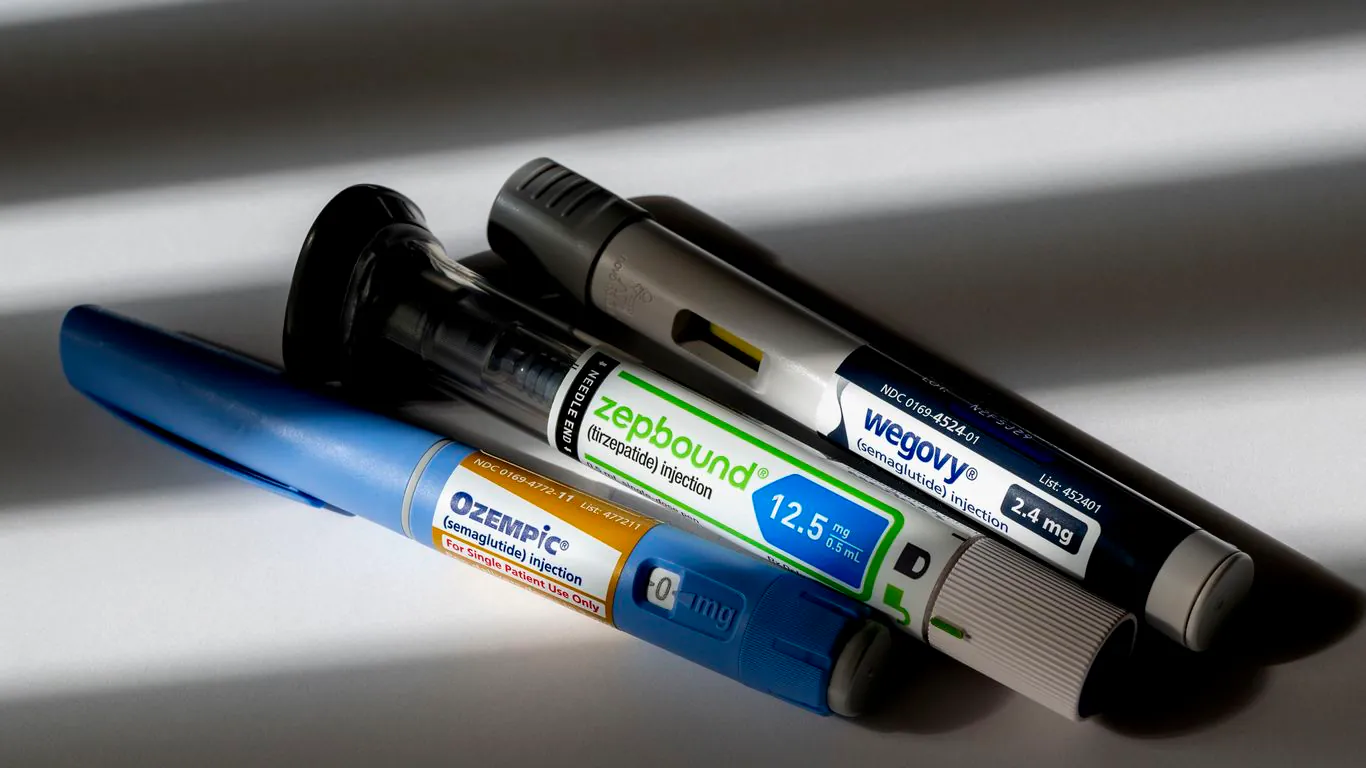
The results build on earlier data from June 2026, when enicepatide helped patients without diabetes lose an impressive 22.7% of body weight in a separate mid-stage trial — with no sign of a plateau at 48 weeks. Together, these findings position Roche as a credible challenger in a market dominated by Eli Lilly's Zepbound and Novo Nordisk's Wegovy.
By the Numbers:
Why it matters: With late-stage cardiovascular and glycemic-control trials planned for early 2027, enicepatide could become a meaningful option for the millions of patients managing both obesity and type 2 diabetes — a population currently underserved by existing therapies.