Curie Brief
Turn on cookies to sign in
Signing in saves your progress to your Curie account. We can only do that with cookies on — turn them on to continue.
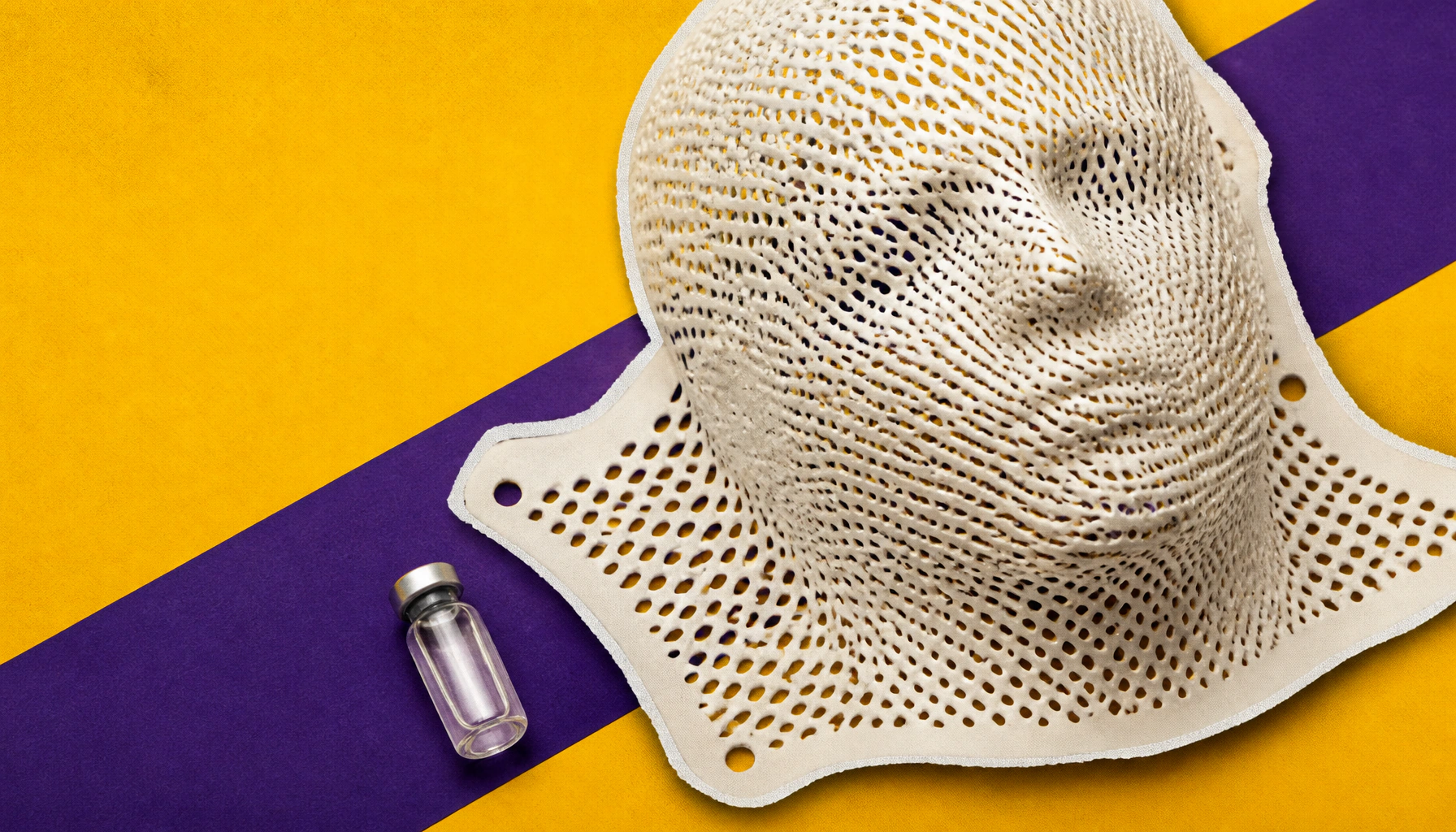
A new radiation technique called minibeam radiotherapy is showing impressive results for hard-to-treat cancers. In a Mayo Clinic trial, 86% of patients saw symptom improvement, and 11% experienced tumor shrinkage even outside the treated area — suggesting a potential immune system boost. Best of all, it requires just 2–3 sessions instead of the usual 10–30.
Mayo Clinic researchers have published the first-ever human study of minibeam radiotherapy, a novel technique that delivers ultra-narrow radiation beams (0.5 mm wide) in a peak-valley pattern to blast tumors while sparing healthy tissue in between. The trial enrolled 36 patients with treatment-resistant skin cancers — including melanoma and squamous cell carcinoma — and soft tissue sarcomas, most of whom had already failed at least two prior therapies.
The results, published in the International Journal of Radiation Oncology, Biology, Physics, were striking: 86% of patients reported symptom relief, and among 40 evaluable tumors, 22.5% disappeared completely, 25% shrank, and 45% remained stable. The 12-month local control rate reached 89% overall. Patients also tolerated higher radiation doses with fewer side effects than conventional therapy — and completed treatment in just 2–3 sessions.
By the Numbers:
Why it matters: Beyond its efficiency, minibeam radiotherapy may be activating the immune system — an unexpected finding that could open the door to combining it with immunotherapy. Ongoing trials are exploring its use in early-stage breast cancer and unresectable pancreatic cancer.