Curie Brief
Turn on cookies to sign in
Signing in saves your progress to your Curie account. We can only do that with cookies on — turn them on to continue.
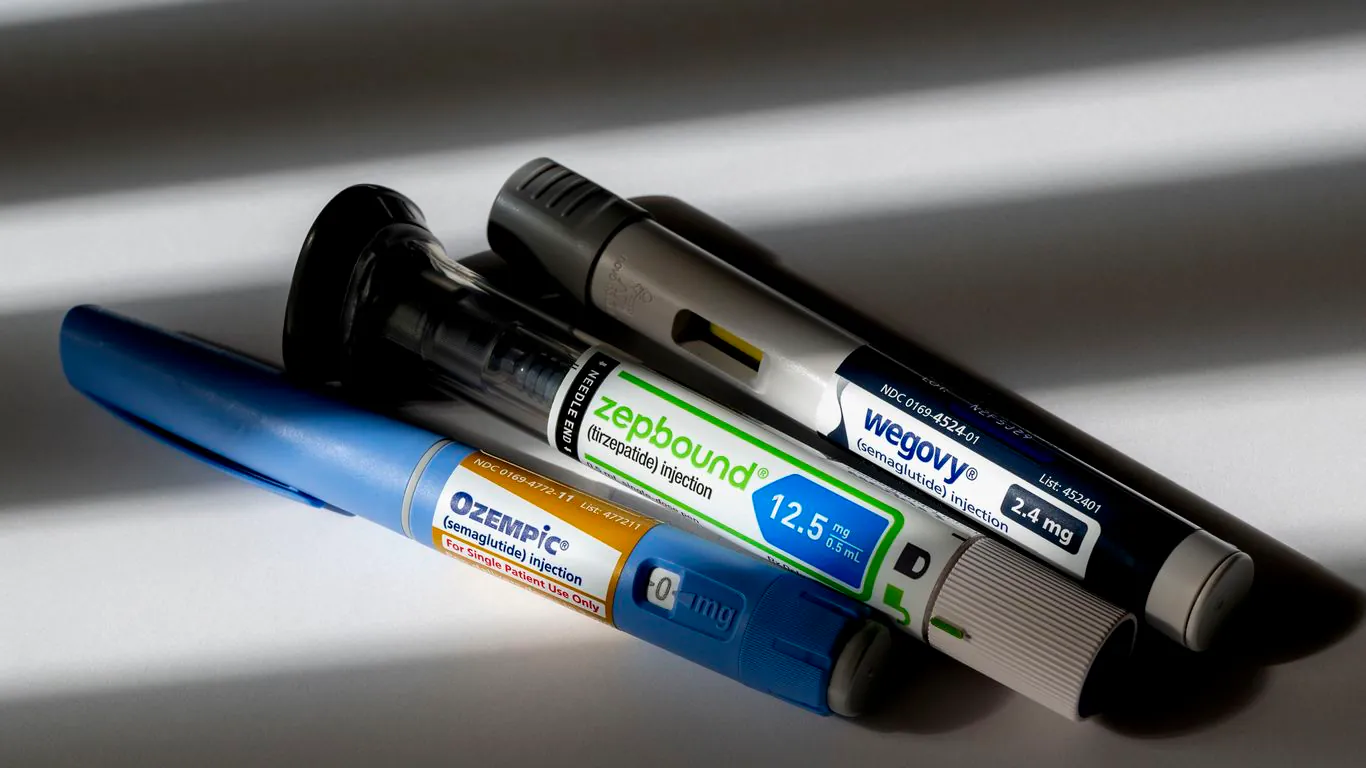
Stopping GLP-1 drugs like Ozempic and Wegovy may do more damage than just bringing the pounds back. A major study of 333,000+ U.S. veterans found that patients who stopped GLP-1 treatment for two years had a 22% higher risk of heart attack, stroke, and death compared to those who stayed on the drugs. The cardiovascular benefits, it turns out, fade fast — and don't fully return even if you restart.
Millions of Americans take GLP-1 drugs like Ozempic, Wegovy, Mounjaro, and Zepbound — but nearly half stop within the first year, often due to cost, side effects, or drug shortages. Now, a growing body of research is revealing that stopping these medications carries risks that go far beyond the scale.
A landmark Washington University School of Medicine study tracked more than 333,000 U.S. veterans with type 2 diabetes over three years and found that quitting GLP-1 therapy triggers what researchers call "metabolic whiplash" — a rapid resurgence in inflammation, blood pressure, and cholesterol. Even a six-month treatment gap was enough to meaningfully weaken heart protection. Restarting the drug helped restore some protection, but not all of it, suggesting that discontinuation leaves a "lasting scar" on cardiovascular health. A separate review in Diabetes, Obesity and Metabolism found that 60–90% of lost weight may return within a year of stopping, while blood sugar, blood pressure, and cholesterol improvements can also reverse.
By the Numbers:
Why it matters: For clinicians, these findings reframe GLP-1 adherence as a critical health outcome — not an afterthought. Health systems and policymakers need to address cost barriers and side effect management to keep patients on therapy long-term, since the cardiovascular benefits build slowly but disappear quickly.