Curie Brief
Turn on cookies to sign in
Signing in saves your progress to your Curie account. We can only do that with cookies on — turn them on to continue.
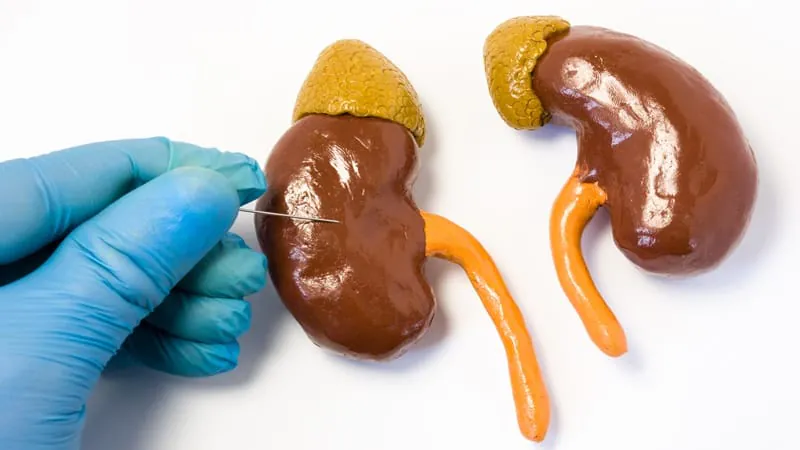
When lupus nephritis strikes, waiting for a kidney biopsy before starting treatment could cost patients their kidney function. At a major Brazilian rheumatology congress, experts reached a consensus: start treatment immediately, biopsy when you can — not the other way around. Emerging biomarkers like urinary CD163 may soon reduce the need for invasive procedures altogether.
When it comes to lupus nephritis, timing is everything. At the 43rd Brazilian Congress of Rheumatology, two leading rheumatologists debated a deceptively simple question: do patients always need a kidney biopsy before treatment begins? The answer, they agreed, is no — treatment should start immediately, with biopsy following when feasible. Delaying treatment to wait for biopsy results can worsen prognosis, especially in young patients whose kidney function is on the line.
That said, biopsy isn't being sidelined — it's being repositioned. Experts outlined three key moments when biopsy adds real value: early on to confirm histologic class, mid-treatment when escalation is uncertain, and later when clinicians are weighing whether to safely taper immunosuppression. One case highlighted how a repeat biopsy revealed no inflammatory activity, allowing a safe reduction in treatment and lowering infection risk.
Key Takeaways:
Why it matters: Lupus nephritis disproportionately affects young people, and delays in treatment can lead to irreversible kidney damage. Reframing biopsy as a complementary — rather than prerequisite — tool could meaningfully improve outcomes, especially in settings where access to the procedure is limited.