Curie Brief
Turn on cookies to sign in
Signing in saves your progress to your Curie account. We can only do that with cookies on — turn them on to continue.
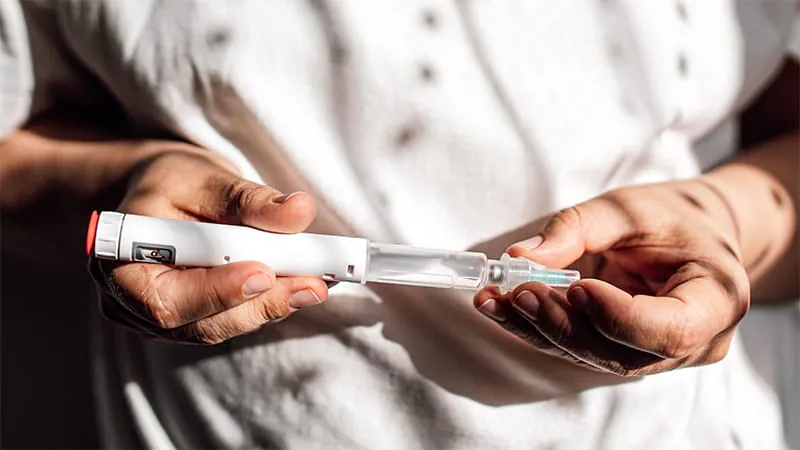
Good news for older, frailer patients on Wegovy. A secondary analysis of the landmark SELECT trial found that semaglutide (2.4 mg weekly) consistently reduced major cardiovascular events across all frailty levels — and frail patients saw the greatest improvements in quality of life. Notably, frail patients were also less likely to stop the drug due to side effects than their less frail counterparts.
Semaglutide works — and may work best — in frail patients
A secondary analysis of the SELECT trial, published in JAMA Cardiology, offers reassuring evidence for clinicians hesitant to prescribe GLP-1 receptor agonists to older, frailer patients. Among 17,604 adults with overweight or obesity and established cardiovascular disease (no diabetes), semaglutide 2.4 mg weekly consistently reduced the risk of major adverse cardiovascular events — CV death, nonfatal MI, and nonfatal stroke — across all three frailty categories (not frail, more frail, and most frail), with no significant difference between groups.
Patients with the highest baseline frailty derived the greatest quality-of-life improvements, particularly in mobility, self-care, and usual activities. They were also less likely to discontinue semaglutide due to adverse events compared to less frail patients — a finding the research team described as unexpected but encouraging.
By the Numbers
Why it matters: As the U.S. population ages rapidly, frailty is increasingly common among cardiology patients. These findings suggest semaglutide's benefit-risk profile can remain favorable even in this vulnerable group — though experts stress that treatment decisions should still be individualized, accounting for muscle mass, fall risk, and nutritional status.