Curie Brief
Turn on cookies to sign in
Signing in saves your progress to your Curie account. We can only do that with cookies on — turn them on to continue.
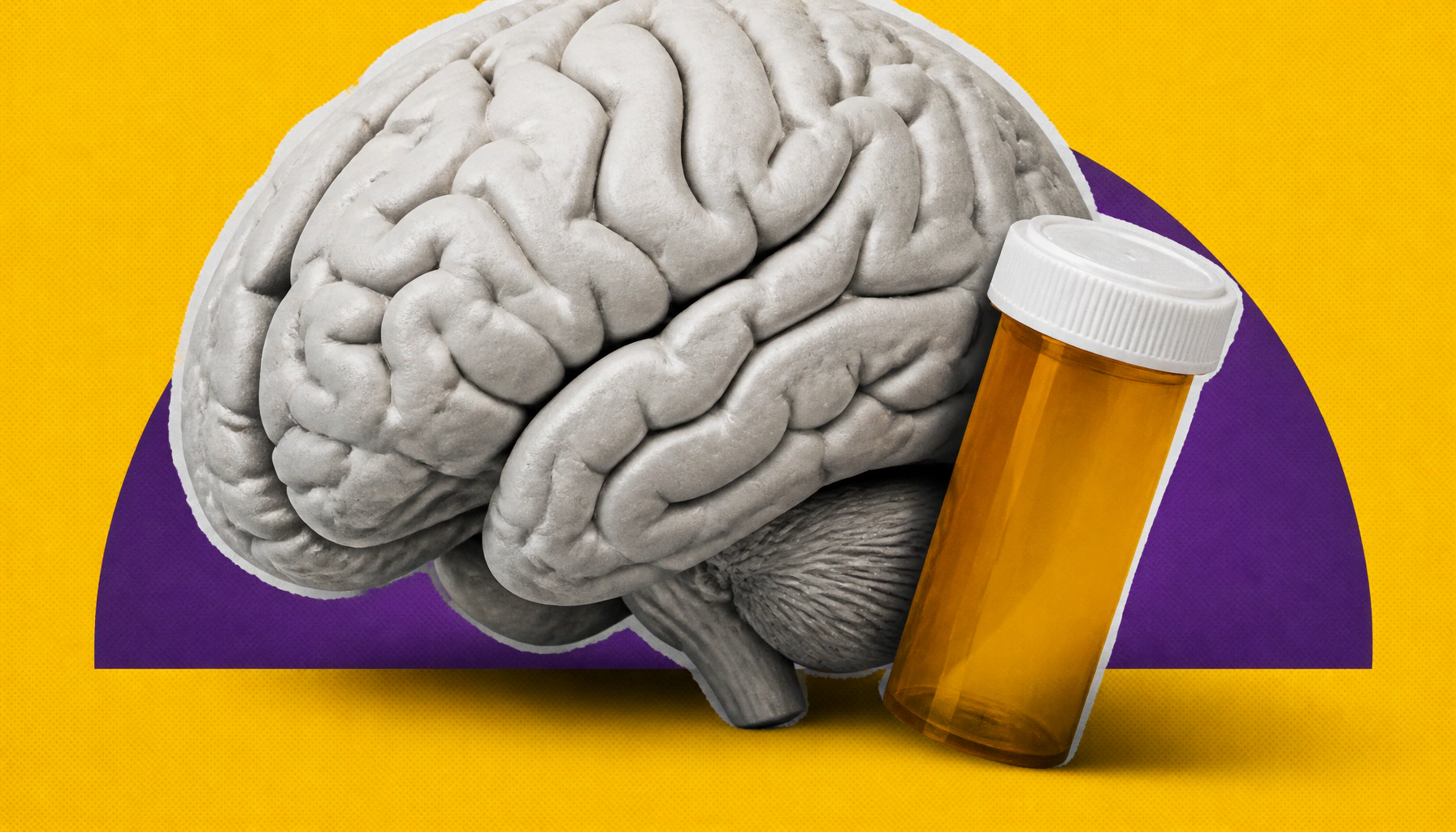
Brain scans reveal long COVID may damage dopamine neurons. A new PET imaging study found that people with long COVID have 16–20% lower levels of a key dopamine marker in the brain's striatum — a region tied to motivation, movement, and memory. The findings could pave the way for repurposing existing dopamine-targeting medications as treatments.
For years, long COVID patients have described debilitating brain fog, fatigue, and memory problems — and now scientists may finally know why. A new PET brain imaging study from the Centre for Addiction and Mental Health (CAMH) in Toronto found that people with long COVID have significantly lower levels of VMAT2, a marker of dopamine neuron integrity, across all major regions of the striatum compared to healthy controls. This suggests reduced dopamine nerve terminal density may be driving many of the condition's most frustrating neurological symptoms.
The pattern of loss wasn't random — different brain regions corresponded to different symptoms. Lower VMAT2 in the ventral striatum was linked to loss of motivation, reductions in the dorsal putamen correlated with slowed movement, and losses in the caudate were tied to memory difficulties. These findings build on the same team's earlier work showing elevated brain inflammation in long COVID patients, suggesting a chain reaction: inflammation may be injuring dopamine neurons.
By the Numbers
Why it matters: This is the strongest biological evidence yet that long COVID is, at least in part, a brain disorder — and one that may be treatable. Existing medications that boost dopamine function could be repurposed, giving researchers a concrete and relatively fast path toward clinical trials for millions of sufferers worldwide.