Curie Brief
Turn on cookies to sign in
Signing in saves your progress to your Curie account. We can only do that with cookies on — turn them on to continue.
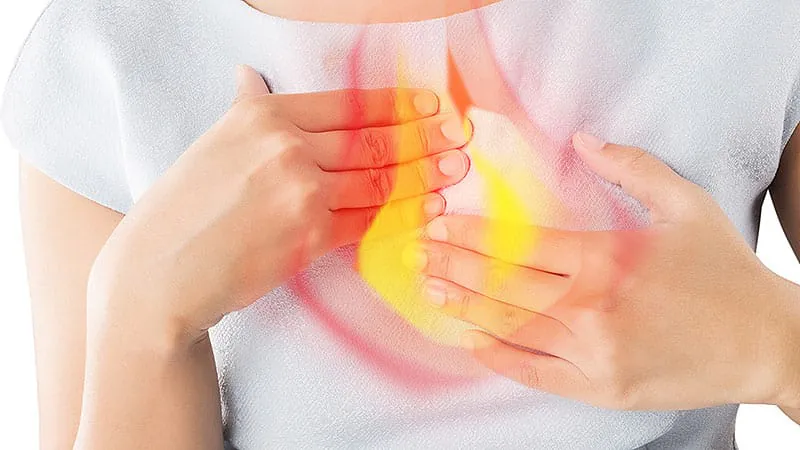
A large population-based study found that metabolic dysfunction-associated steatotic liver disease (MASLD) is strongly linked to a higher risk of eosinophilic esophagitis, GERD, and related conditions in adults of all ages. The connection was sharpest in young adults aged 18–44, where odds of developing these esophageal disorders were nearly three times higher. Clinicians are urged to watch for esophageal complications in patients with MASLD.
A major new study published in the Journal of Gastroenterology and Hepatology reveals that metabolic dysfunction-associated steatotic liver disease (MASLD) — commonly known as fatty liver disease — is significantly associated with a higher risk of esophageal conditions, including eosinophilic esophagitis (EoE), GERD, and Barrett esophagus. The findings come from a large electronic health record-based cohort study involving over 800,000 matched adults across three age groups.
The associations held across all age groups but were most striking in young adults (18–44 years), where MASLD was linked to nearly three times the odds of EoE and over three times the odds of erosive esophagitis and Barrett esophagus compared to those without MASLD. Symptoms like heartburn and difficulty swallowing were also more common in MASLD patients.
By the Numbers:
Why it matters: As MASLD rates climb globally, these findings signal that the disease's reach extends well beyond the liver. Clinicians should proactively screen MASLD patients — particularly younger ones — for esophageal complications to enable earlier intervention.