Curie Brief
Turn on cookies to sign in
Signing in saves your progress to your Curie account. We can only do that with cookies on — turn them on to continue.
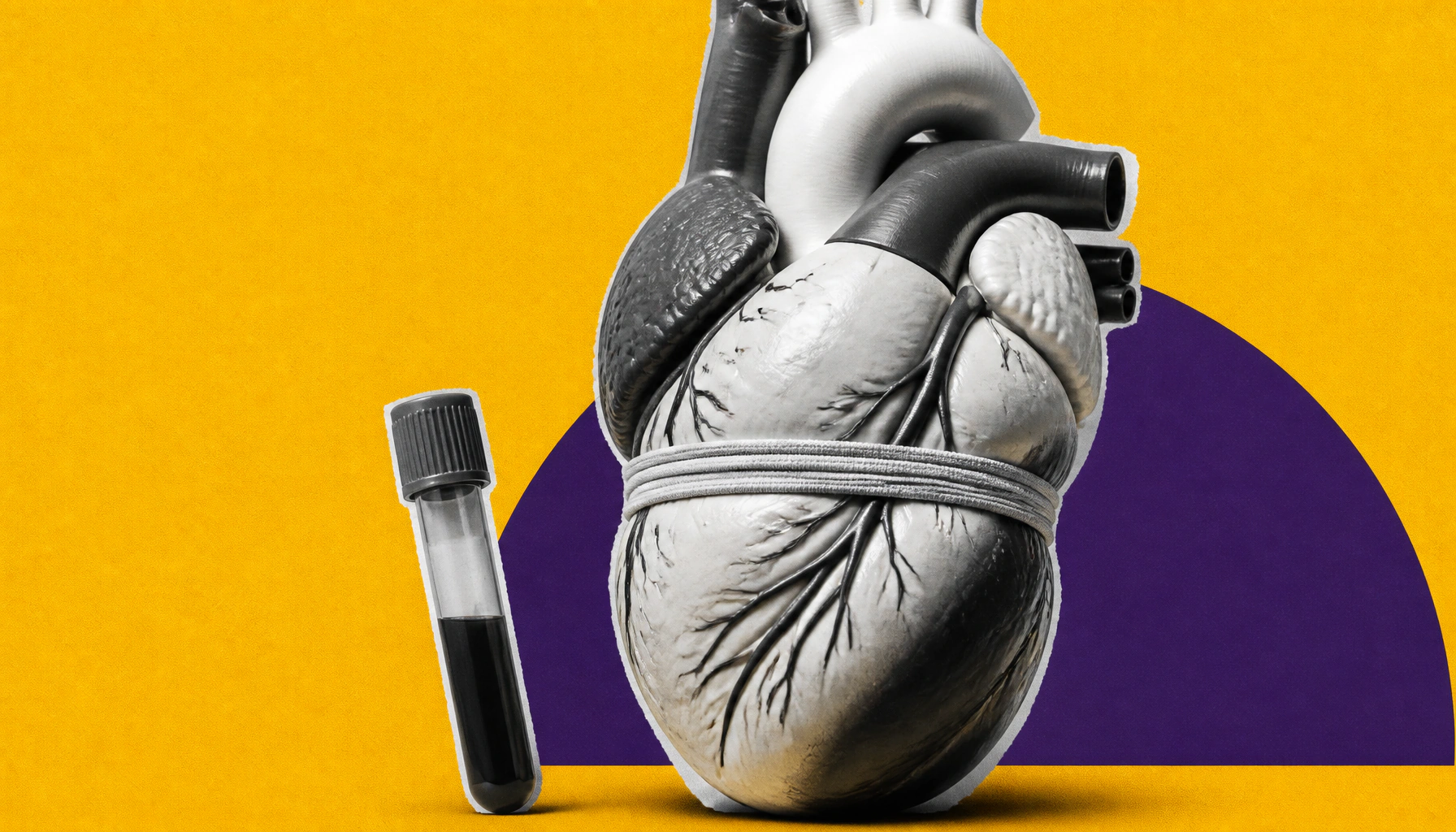
Your stress might be changing your heart before you even feel it. A massive UK study of nearly 480,000 adults found that chronic inflammation — driven by stress, poverty, poor mental health, and lifestyle — quietly reshapes heart structure and raises the risk of heart attack and stroke by 43%. The good news? Blood tests and anti-inflammatory treatments could help catch it early.
A landmark study from the MRC Laboratory of Medical Sciences and Imperial College London — one of the largest of its kind — reveals that chronic, low-level inflammation may be physically reshaping the heart long before any symptoms appear. Analyzing data from nearly 480,000 UK adults, researchers found that elevated inflammation, measured via a blood marker called glycoprotein acetyls (GlycA), was linked to thicker heart walls, smaller chambers, and poorer heart filling — structural changes that can quietly progress to heart failure over time.
What makes this especially striking is what's driving the inflammation. Beyond the usual suspects like smoking and obesity, the study found strong links to socioeconomic disadvantage, psychological distress, and even genetic predisposition — suggesting that where you live, how much you earn, and your mental health all have a measurable impact on your heart.
By the Numbers
Why it matters: These findings open the door to earlier, more targeted cardiovascular prevention. Combining inflammation blood tests with genetic risk scores could help identify high-risk individuals before damage sets in — and anti-inflammatory drugs already in clinical trials may one day serve as a frontline tool against heart disease.