Curie Brief
Turn on cookies to sign in
Signing in saves your progress to your Curie account. We can only do that with cookies on — turn them on to continue.
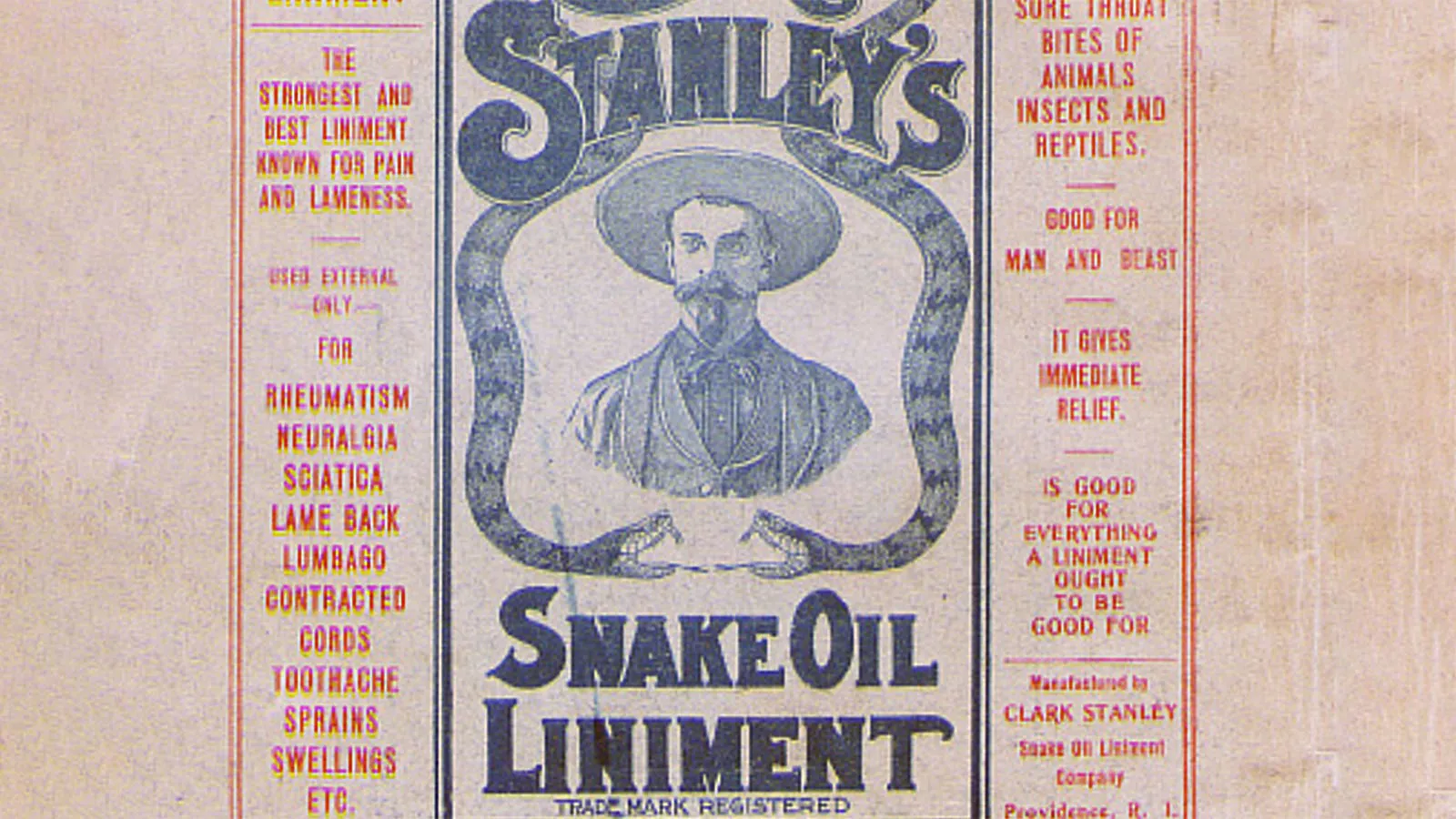
Americans have always been susceptible to miracle cures and health fads, and experts say it's only getting worse. The driving force? A deep, universal fear of death and disability. With social media amplifying unproven claims and trusted health officials lending credibility to dubious treatments, the guardrails on medical misinformation have never felt weaker.
From snake oil salesmen to IV vitamin drips, America has a centuries-long history with miracle cures — and experts say the problem is more dangerous than ever. Physician and author Lydia Kang, MD, puts it simply: "People really don't want to die." That deep-seated fear of pain, disability, and death makes people vulnerable to products and schemes that promise youth, vitality, and longevity, regardless of the evidence.
Neuroscientist Tali Sharot, PhD, adds a psychological layer: humans don't form beliefs to accurately represent reality — they form them to maximize reward and minimize harm. That means hope itself can be exploited. Companies have long recognized this, rushing through any crack of scientific ambiguity to market supplements, devices, and "wellness" treatments to desperate consumers.
What's changed today is the scale and speed of the problem. Social media influencers, lightly regulated marketplaces, and high-profile officials amplifying unproven treatments have made the landscape significantly more treacherous.
Key Takeaways:
Why it matters: When trusted institutions and officials lend credibility to unproven treatments, the public health consequences are real — from wasted money to dangerous delays in evidence-based care.