Curie Brief
Turn on cookies to sign in
Signing in saves your progress to your Curie account. We can only do that with cookies on — turn them on to continue.
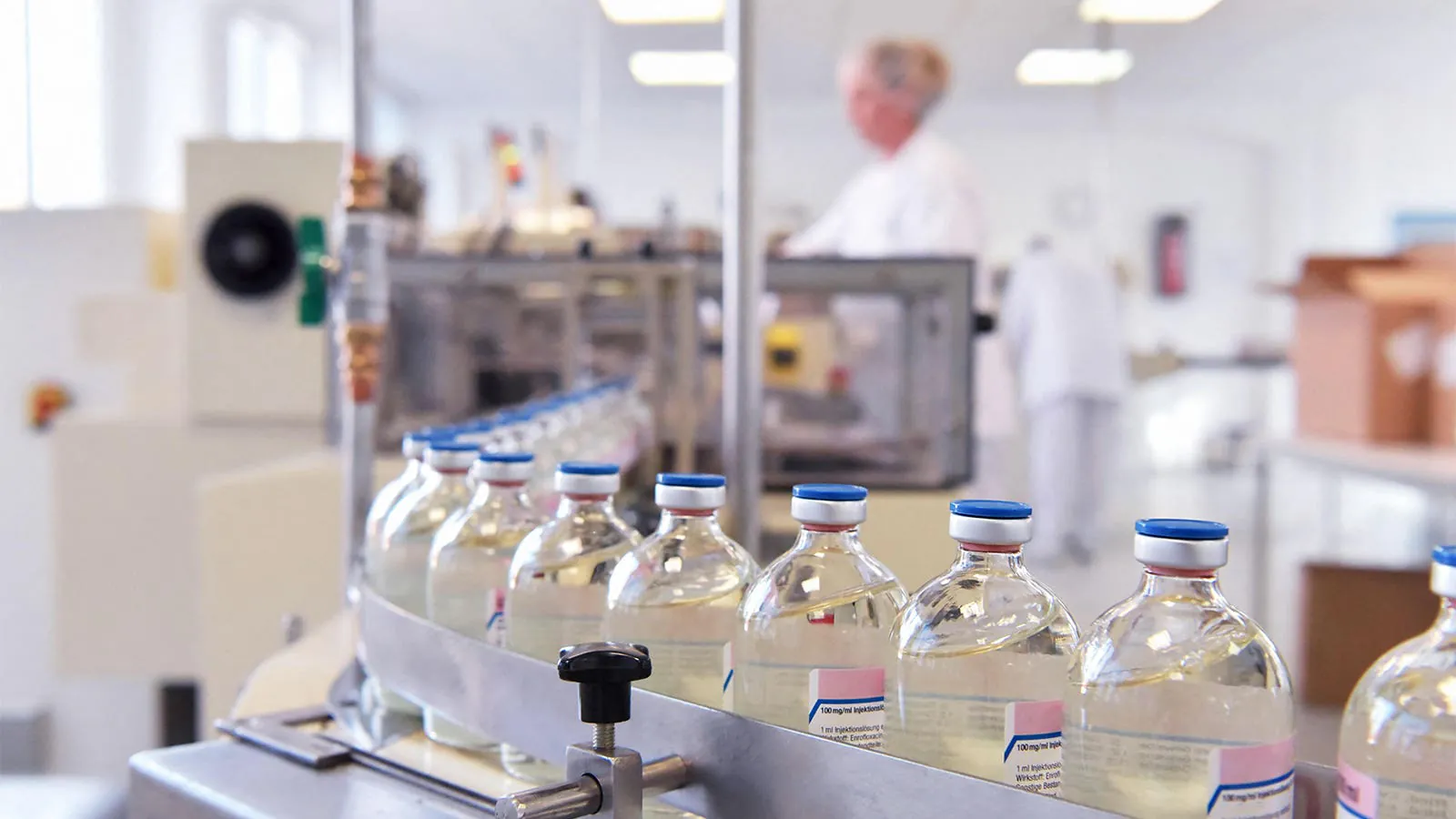
The Clear Labels Act, designed to show patients and doctors exactly where their medications are manufactured, is heading to a full Senate vote — but critics say it's been significantly weakened. Two major provisions were removed: a unique factory identifier and a 1-year compliance deadline, now stretched to 5 years. Safety experts warn the changes could render the bill far less effective than originally intended.
The Clear Labels Act — bipartisan legislation requiring drug labels to disclose where medications are manufactured — is advancing to a full Senate vote, but safety advocates say it's been stripped of its most meaningful provisions. Originally introduced by Sens. Rick Scott (R-FL) and Kirsten Gillibrand (D-NY), the bill was sparked by a ProPublica investigation revealing that the U.S. continued importing generic drugs from foreign factories flagged for safety violations, including mold, leaks, and contaminated water — facilities linked to thousands of adverse patient reactions.
Two critical provisions have since been removed: a unique facility identifier (DUNS number) that would have let the public trace drugs to specific factories and access FDA inspection records, and a 1-year compliance window, now extended to 5 years. Experts also flag vague language around "place of business," which could allow manufacturers to list a U.S. headquarters rather than an overseas factory — effectively preserving the status quo.
Key Takeaways:
Why it matters: For clinicians and patients, knowing where a drug is made is a basic safety issue. Without robust tracking tools, identifying the source of contaminated or substandard medications becomes far more difficult — putting patient safety at risk.