Curie Brief
Turn on cookies to sign in
Signing in saves your progress to your Curie account. We can only do that with cookies on — turn them on to continue.
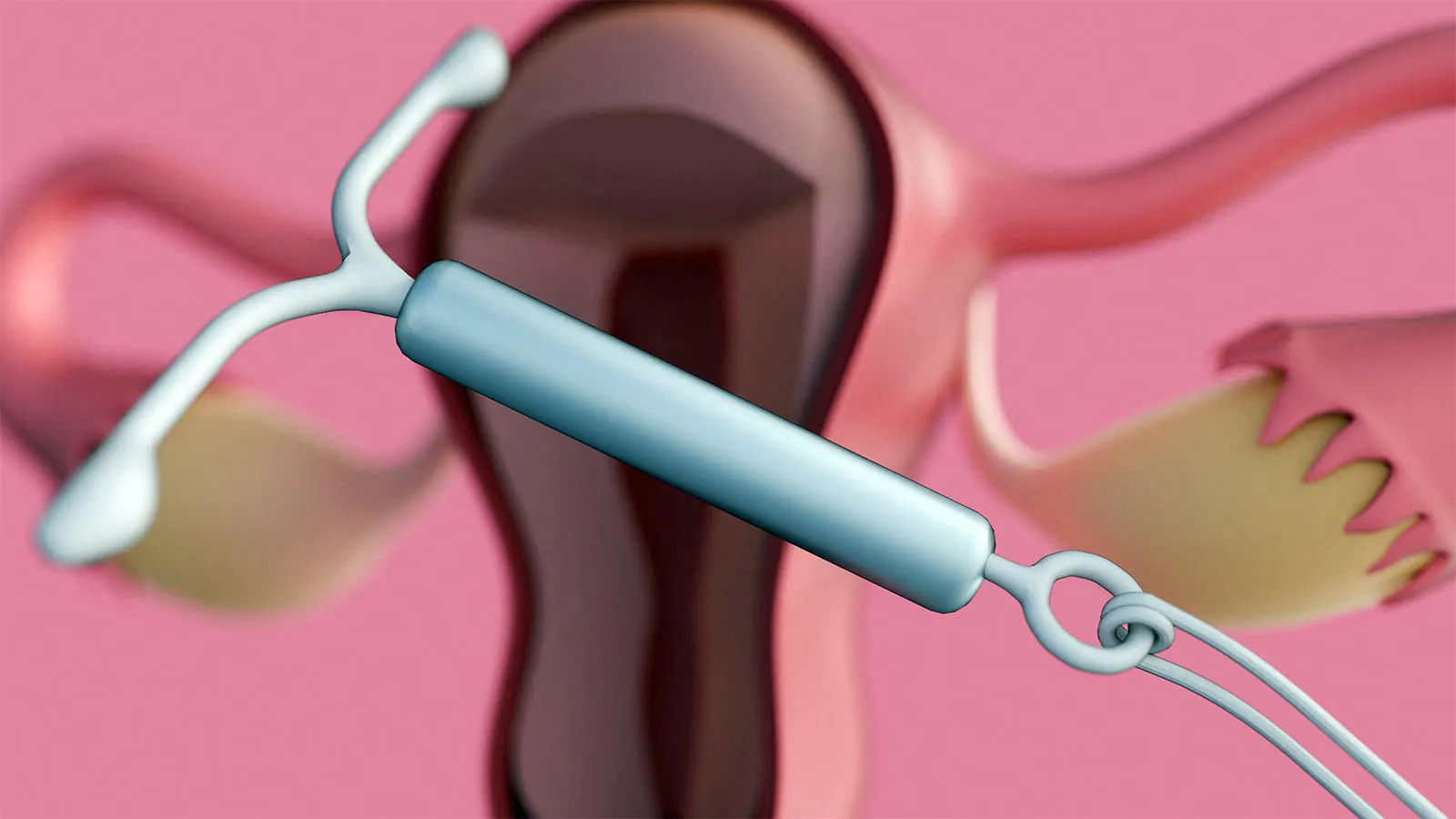
A Swedish randomized trial found that instilling the anesthetic mepivacaine into the uterus before IUD placement significantly reduced pain compared to placebo. Mean pain scores dropped from 58.6 mm to 43.8 mm on a 100-point scale, and nearly 80% of mepivacaine recipients said they'd recommend the method to others. The minimally invasive approach could be meaningful for the millions of patients who undergo IUD insertions each year.
IUD insertion pain has become a growing concern — patients have been vocal about it on social media, and both the CDC and ACOG have called on clinicians to take it more seriously. Now, a well-designed Swedish randomized trial published in JAMA offers a promising, minimally invasive solution: instilling the anesthetic mepivacaine directly into the uterus before IUD placement.
The double-blind trial enrolled 370 patients across 11 clinics in Sweden. Participants received either 10 mL of 2% mepivacaine or a saline placebo via a hydrosonography catheter, two minutes before IUD insertion. Mepivacaine was chosen over lidocaine for its faster onset and lower toxicity profile.
By the Numbers:
Why it matters: IUD insertions happen millions of times a year worldwide. Even modest improvements in pain tolerance could meaningfully expand access to this highly effective form of contraception — and signal to patients that their pain is being taken seriously.