Curie Brief
Turn on cookies to sign in
Signing in saves your progress to your Curie account. We can only do that with cookies on — turn them on to continue.
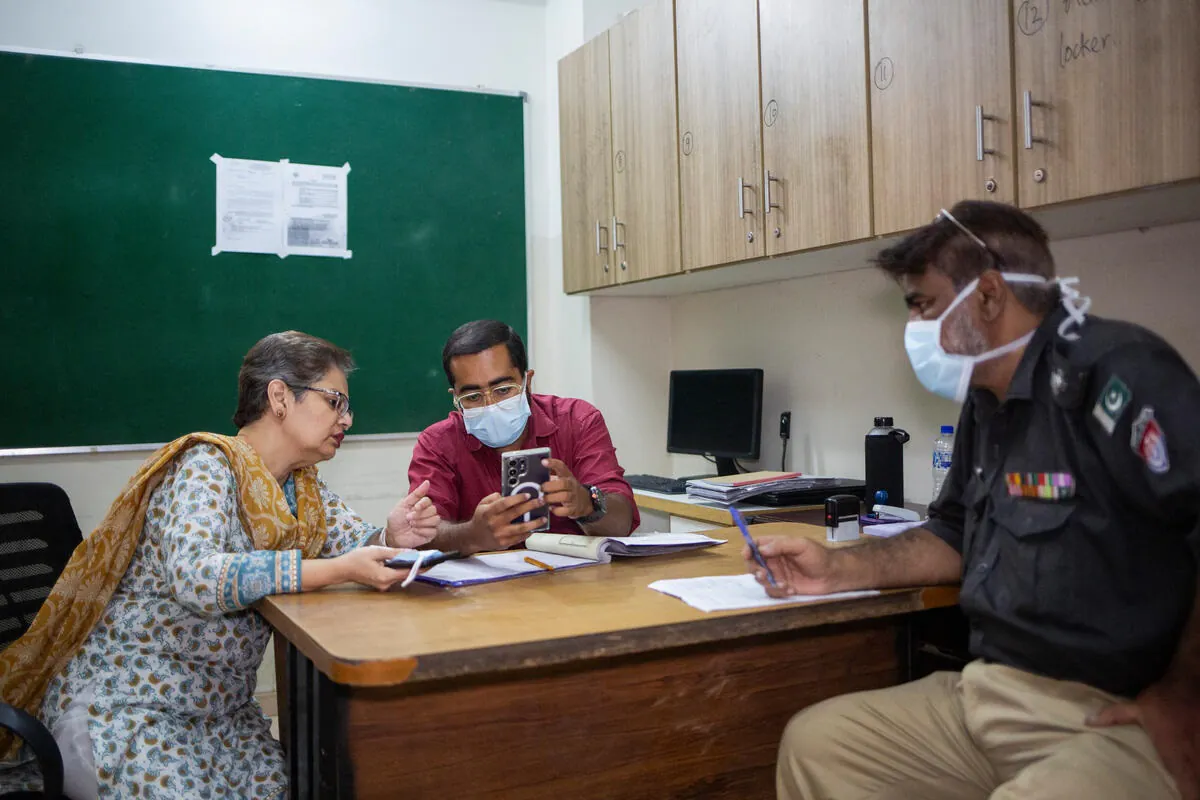
A new WHO-backed technical brief reveals that non-partner sexual violence against women remains severely underreported and poorly measured worldwide. An estimated 263 million women and girls have experienced such violence, but data gaps, inconsistent survey methods, and stigma mean the true scale is likely far greater. The brief urges standardized, ethically conducted surveys to better capture and address the problem.
A new technical brief from WHO and its partners is shining a spotlight on a critical blind spot in global health data: non-partner sexual violence (NPSV) against women and girls. Despite affecting an estimated 263 million women globally (about 8% of women aged 15+), NPSV remains chronically underreported and inconsistently measured — making it nearly impossible to track progress or design effective interventions.
A WHO review of population-based surveys from 2000–2023 found coverage in 140 countries, but significant gaps remain. In 42 of those countries, no eligible survey had been conducted in over a decade. Compounding the problem: surveys use widely different definitions, age ranges, and question formats, making cross-country comparisons unreliable. Some surveys even exclude women who have never had a partner — despite NPSV affecting any woman regardless of relationship status.
The brief also flags emerging challenges like technology-facilitated sexual violence (e.g., non-consensual image sharing, online rape threats) that current measurement tools fail to adequately capture.
By the Numbers:
Why it matters: Without reliable, comparable data, governments and health systems can't allocate resources effectively, design survivor-centered programs, or track progress toward SDG 5.2 — the global goal to eliminate violence against women. Better measurement is the essential first step toward meaningful action.