Loading Curie Briefs...
Getting the latest healthcare news for you
Getting the latest healthcare news for you

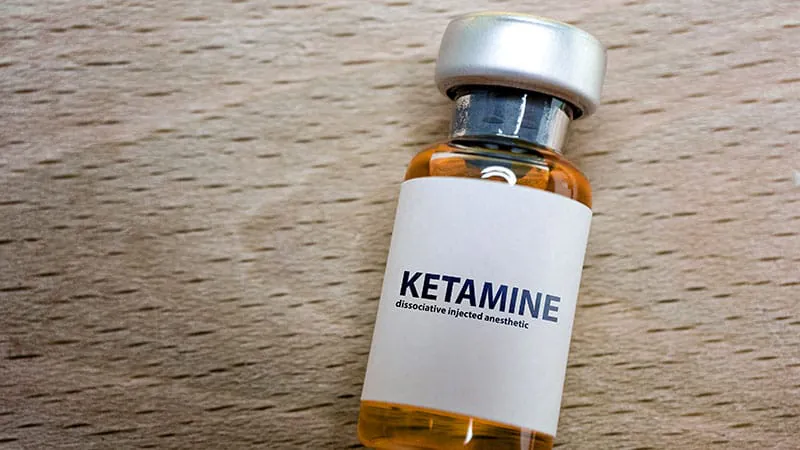
The first randomized controlled trial of serial ketamine infusions for treatment-resistant bipolar depression found that adjunctive IV ketamine significantly outperformed the control drug midazolam — with no cases of mania, hypomania, or psychosis. Published in JAMA Psychiatry, the Ket-BD trial found a clinically meaningful 7.3-point reduction in depression scores at day 14. Researchers say off-label use is reasonable for carefully selected patients, though larger trials are still needed.
For patients with bipolar depression who haven't responded to standard treatments, ketamine may finally offer a new path forward. The Ket-BD trial — the first randomized controlled trial of serial IV ketamine infusions for treatment-resistant bipolar depression — found that adjunctive ketamine significantly reduced depressive symptoms compared to the active control midazolam, with no cases of mania, hypomania, or psychosis. The study was published September 2 in JAMA Psychiatry.
The trial enrolled 68 patients with bipolar I or II disorder who had failed an average of 11 medications over their lifetime. Participants received four 40-minute IV infusions over two weeks. The ketamine group showed a 7.3-point greater reduction on the MADRS depression scale — exceeding the prespecified threshold for clinical significance. Senior author Dr. Joshua Rosenblat called off-label use "reasonable to consider" for carefully selected patients, while experts noted the need for larger phase 3 trials.
Key Takeaways:
Why it matters: Treatment-resistant bipolar depression is notoriously difficult to manage, and safety concerns about mania have long kept ketamine out of reach for this population. This trial offers the first rigorous RCT evidence that ketamine can be used safely and effectively — a meaningful step for clinicians and patients with few remaining options.