Curie Brief
Turn on cookies to sign in
Signing in saves your progress to your Curie account. We can only do that with cookies on — turn them on to continue.

A structured, nurse-led approach to managing asthma in children aged 6–12 significantly outperformed standard care in a Dutch clinical trial. Kids in the protocolled care group had better asthma control scores and far lower rates of uncontrolled asthma after 18 months. The findings suggest that trained practice nurses following a clear protocol can make a real difference in pediatric asthma management.
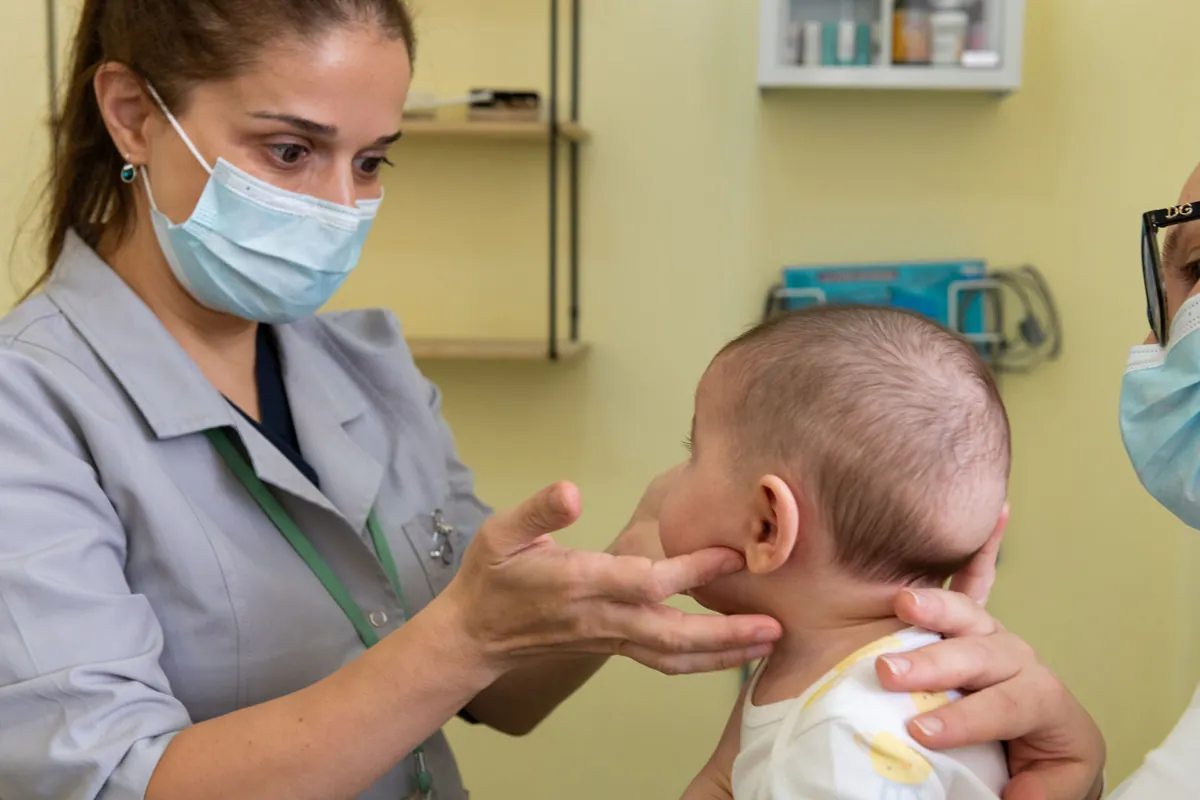
A multicenter randomized controlled trial out of the Netherlands found that structured, nurse-led asthma care significantly improved outcomes for children aged 6–12 compared to standard care. Across 49 general practices, 90 children were assigned to either a protocolled nurse-led program or usual care, with an 18-month follow-up. Nurses in the intervention group received specialized training and followed a protocol grounded in two national asthma guidelines.
Children in the nurse-led group started with a 40-minute baseline visit and follow-up appointments tailored to their asthma control level. The results were clear: better asthma control scores, fewer cases of uncontrolled asthma, and smarter medication use — including less overreliance on short-acting bronchodilators.
By the Numbers:
Why it matters: Pediatric asthma is one of the most common chronic conditions managed in primary care, yet control remains suboptimal for many kids. This study shows that a relatively low-intensity, nurse-led protocol can meaningfully close that gap — without requiring a large number of visits.