Loading Curie Briefs...
Getting the latest healthcare news for you
Getting the latest healthcare news for you

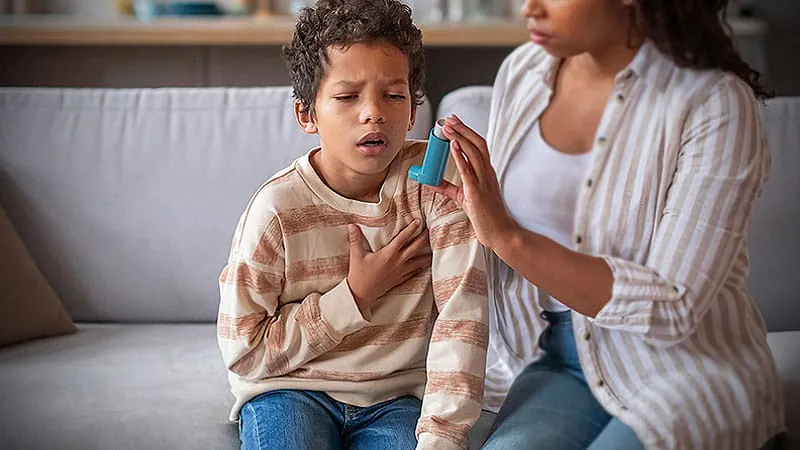
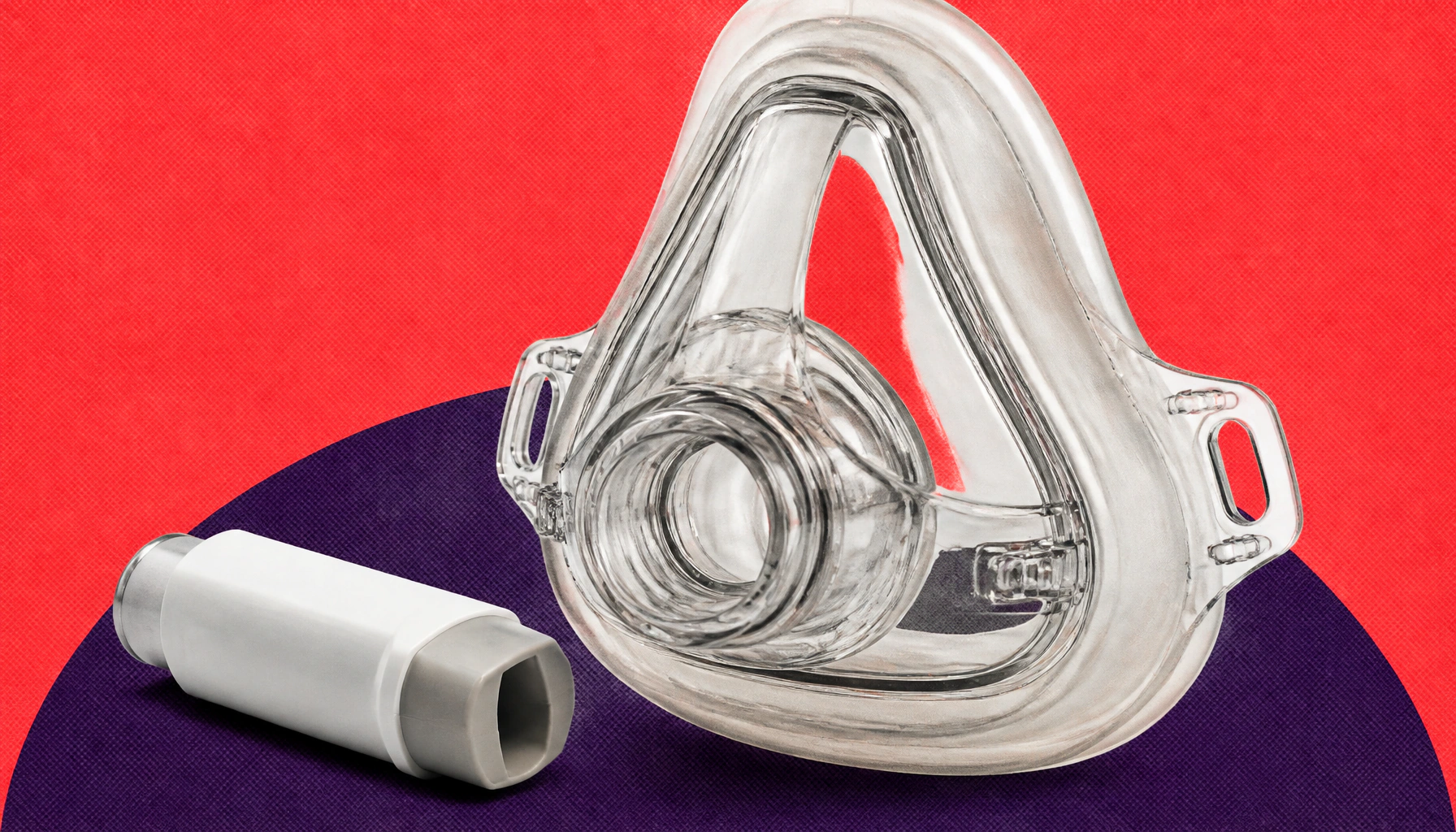
Good medicine isn't just about the right diagnosis — it's about the right conversation. At the ERS 2026 Congress, experts highlighted how shared decision-making, empathetic communication, and structured transition planning can transform care for kids with chronic respiratory conditions like asthma and primary ciliary dyskinesia. From motivational interviewing with teens to gradual handoffs to adult care, the message was clear: how clinicians talk matters as much as what they prescribe.
At the European Respiratory Society 2026 International Congress in Barcelona, pediatric respiratory specialists made a compelling case that communication is a core clinical skill — not a soft add-on. Whether delivering a new diagnosis of a chronic lung disease or navigating a teenager's reluctance to use an inhaler, experts stressed that understanding the emotion behind a family's reaction is key. Aggression, for instance, often masks fear, and conflict frequently signals a loss of control rather than bad faith.
When clinical evidence is limited, shared decision-making means being transparent about uncertainty — not offloading it onto families. Clinicians were urged to clearly explain what is and isn't known, explore family goals and fears, and build collaborative care plans with early re-evaluation built in.
For long-term conditions like primary ciliary dyskinesia (PCD) and asthma, the approach must evolve as children grow. Transition to adult care should begin around age 14 and unfold gradually — not as a single handoff — since missing a follow-up within the first 3 months of adult care sharply raises the risk of disengagement.
Key Takeaways:
Why it matters: Chronic respiratory conditions in children require lifelong management — and patients who feel heard and understood are far more likely to stay engaged with their care, both now and into adulthood.