Curie Brief
Turn on cookies to sign in
Signing in saves your progress to your Curie account. We can only do that with cookies on — turn them on to continue.
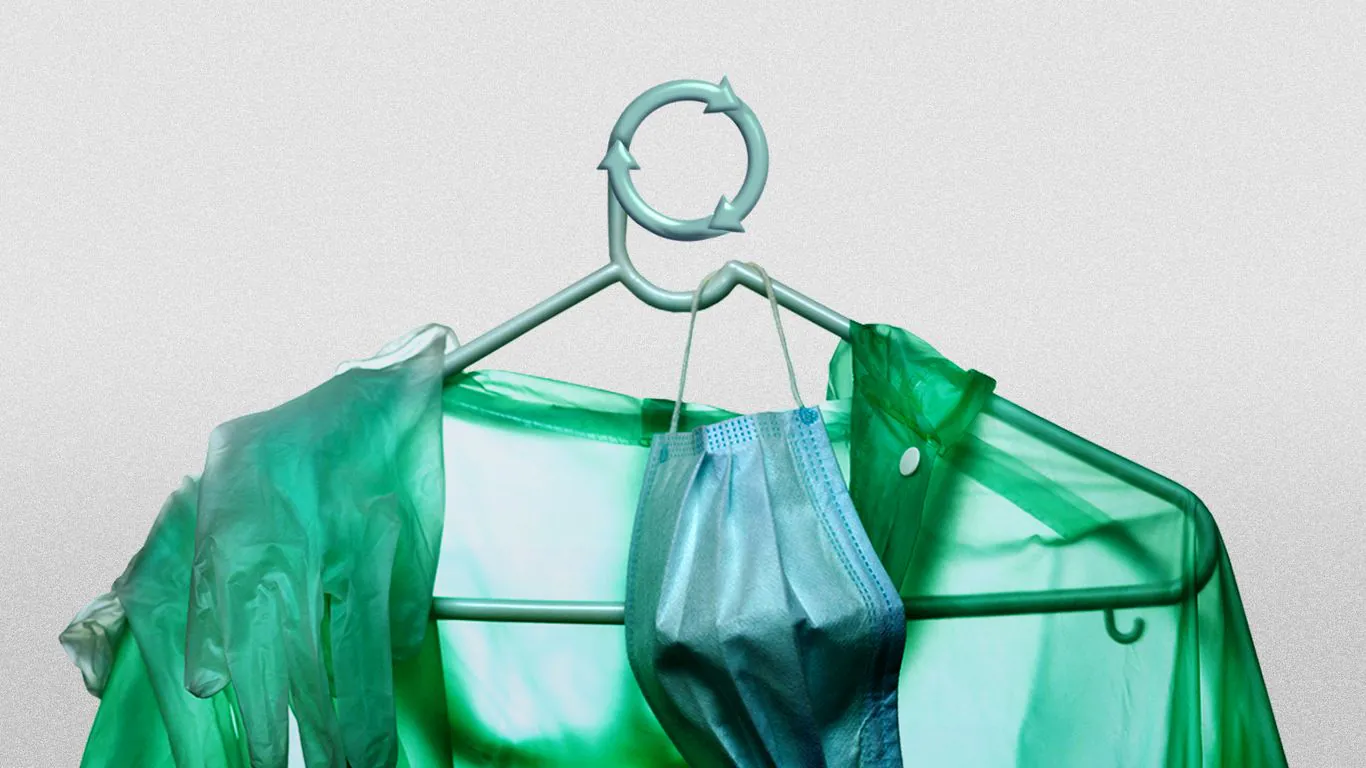
The U.S. Department of Health and Human Services is launching a new policy requiring each of its divisions to maintain and publish quarterly forecasts of their PPE needs. The move is designed to give American manufacturers the demand visibility they need to invest, hire, and scale up production — all in the name of reducing reliance on foreign suppliers and preventing a repeat of pandemic-era shortages.
The U.S. Department of Health and Human Services is taking a concrete step toward shoring up America's medical supply resilience. A new HHS policy now requires every division within the department to maintain a forecast of its PPE needs — covering purchases made through all procurement methods — with updates every quarter. The goal: give domestic manufacturers the forward-looking demand signals they need to confidently invest in workers, equipment, and production capacity.
The move follows years of stalled efforts to onshore PPE manufacturing after the COVID-19 pandemic exposed just how dependent the U.S. was on foreign suppliers for critical medical goods. A key structural challenge has persisted: in non-pandemic times, demand for items like masks drops sharply, pushing manufacturers back into lean, cost-conscious "just in time" production models rather than building strategic reserves.
Key Takeaways:
Why it matters: Predictable government demand could be the nudge domestic manufacturers need to keep production lines running between emergencies — making the U.S. better prepared for the next public health crisis without scrambling for supplies at the worst possible moment.