Curie Brief
Turn on cookies to sign in
Signing in saves your progress to your Curie account. We can only do that with cookies on — turn them on to continue.
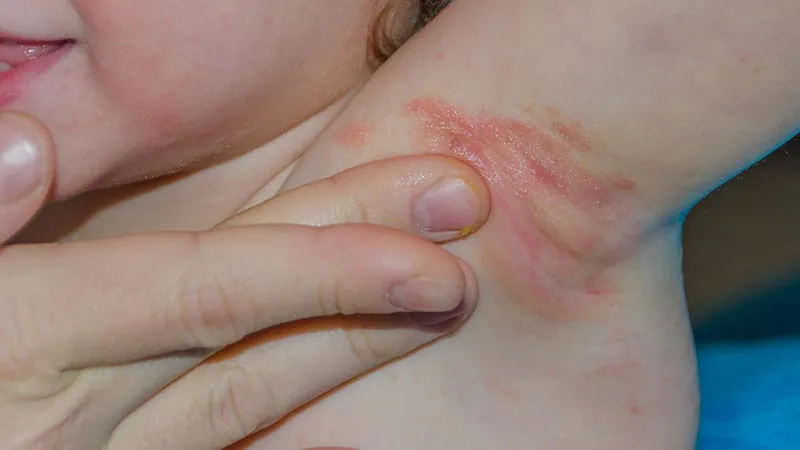
Both active and passive smoke exposure are linked to a significantly higher risk of hidradenitis suppurativa (HS) in children and teens, a new study finds. Notably, secondhand smoke made up nearly two-thirds of all smoke exposure among young HS patients. Experts say counseling parents and caregivers who smoke is a key part of holistic HS care.
A new retrospective study out of Mayo Clinic found that both active and passive smoke exposure are significantly associated with higher odds of hidradenitis suppurativa (HS) — a painful, chronic skin condition — in children and adolescents. The study analyzed 174 pediatric HS patients and 522 matched healthy controls, finding that smoke exposure was nearly twice as common among HS patients (27.6% vs. 15.3%).
Secondhand smoke was the dominant culprit, accounting for nearly two-thirds of all smoke exposure in the HS group — a finding that puts the spotlight on parents and caregivers as key targets for intervention. The authors emphasize that holistic care for young HS patients should include counseling families about the risks of passive smoke exposure.
By the Numbers:
Why it matters: HS is a debilitating condition that often begins in adolescence. This study highlights a modifiable environmental risk factor — smoke exposure — that clinicians and families can act on, making it a meaningful addition to prevention and management strategies for young patients.