Curie Brief
Turn on cookies to sign in
Signing in saves your progress to your Curie account. We can only do that with cookies on — turn them on to continue.
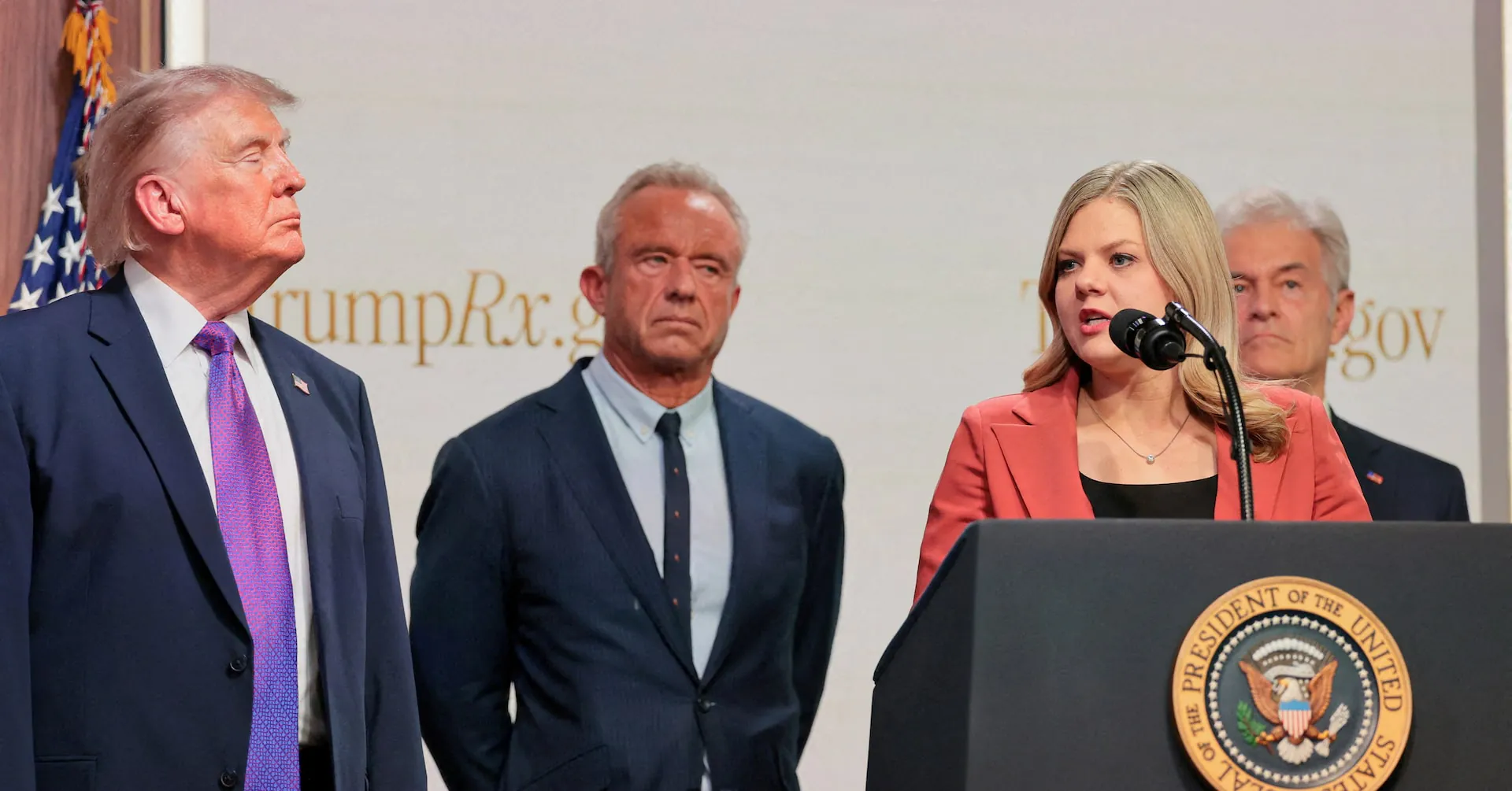
Radiologist Nicole Saphier, MD, faced pointed questions on vaccines, abortion bans, and mifepristone safety during her Senate confirmation hearing for surgeon general. Senators on both sides pressed her on evidence-based stances, with some critics saying she hedged too much. Republicans hold a slim majority and her confirmation is widely expected.
Radiologist Nicole Saphier, MD — President Trump's pick to be the next surgeon general — faced a grilling from the Senate HELP Committee on September 16, fielding questions on vaccines, abortion, mifepristone safety, and scientific integrity. Committee Chairman Sen. Bill Cassidy, MD, pushed back on her nuanced language around the MMR vaccine and autism, pressing her to state clearly that no causal link exists. She eventually affirmed that vaccines save lives and are a critical public health tool, but some felt she stopped short of the unequivocal messaging the moment calls for.
On abortion, Sen. Patricia Murray cited CDC data showing ectopic pregnancy deaths have doubled in recent years — and are higher in states with abortion bans — calling on Saphier to make good on a past pledge to speak out. On mifepristone, Saphier stopped short of endorsing the FDA's well-established safety record, instead calling for further FDA review — a stance that drew criticism from medical ethicist Arthur Caplan, PhD, who called it "the worst part of her testimony."
Key Takeaways:
Why it matters: The surgeon general is the nation's top public health communicator. In a climate of rising vaccine hesitancy and ongoing debates over reproductive healthcare, the clarity — or lack thereof — of the next surgeon general's messaging could have real consequences for public health outcomes across the country.