Curie Brief
Turn on cookies to sign in
Signing in saves your progress to your Curie account. We can only do that with cookies on — turn them on to continue.
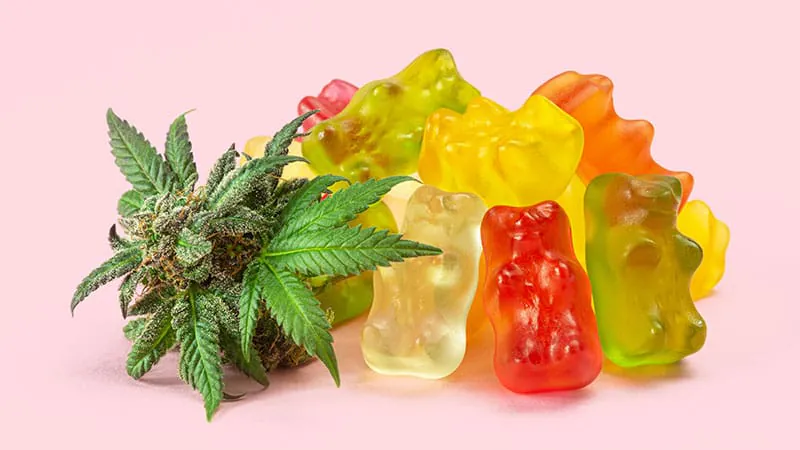
Edible cannabis impairs driving at doses that keep blood THC well below roadside enforcement thresholds, a new study finds. Researchers found measurable lane-control problems and slower reaction times lasting at least 5 hours after consuming 10–20 mg THC gummies — yet blood levels never crossed the 5 ng/mL legal cutoff used in many jurisdictions. The findings expose a major gap in how cannabis-impaired driving is currently detected and enforced.
A randomized, double-blind, placebo-controlled crossover trial published in JAMA Network Open found that cannabis edibles impair simulated driving performance in a dose-dependent manner — even when blood THC concentrations remain below the thresholds used by law enforcement. The study, conducted at the Centre for Addiction and Mental Health (CAMH) in Toronto, enrolled 40 regular cannabis users who consumed THC soft-chew gummies at doses of 0, 2, 10, or 20 mg.
Driving impairment — measured by lane-position variability, reaction time, and speed variability — was evident at 2 and 5 hours post-ingestion at the 10 mg and 20 mg doses, but not at 24 hours. Participants also self-reported lower willingness and perceived ability to drive as doses increased. Crucially, peak blood THC never exceeded 3.4 ng/mL — well under the 5 ng/mL per se threshold used in many jurisdictions.
By the Numbers:
Why it matters: Current roadside enforcement relies on blood THC thresholds that may miss impaired edible cannabis users entirely. Unlike smoked cannabis, edibles have a delayed but prolonged effect — meaning drivers may feel fine initially but become impaired well after consumption. Experts say better tools to directly measure functional impairment, rather than just THC exposure, are urgently needed.