Curie Brief
Turn on cookies to sign in
Signing in saves your progress to your Curie account. We can only do that with cookies on — turn them on to continue.

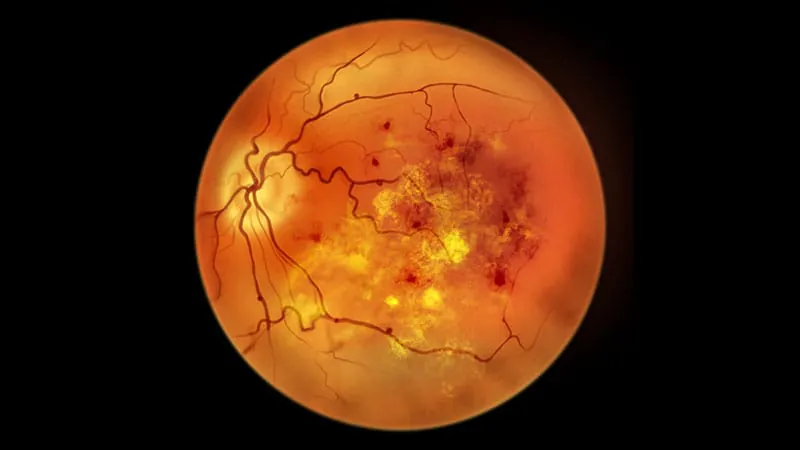
Nearly 12% of children and teens with type 1 diabetes (T1D) in England had diabetic retinopathy (DR), according to a new study. Longer diabetes duration and higher systolic blood pressure were the two independent predictors of DR. The findings reinforce the need for earlier screening and tighter blood pressure and glucose control in young patients.
A new retrospective study of 676 children and young people (ages 12–18) with type 1 diabetes (T1D) across six pediatric diabetes centers in England found that nearly 12% had diabetic retinopathy (DR) when screened in 2024–2025. The vast majority of cases were background DR — the earliest stage — with just one case of preproliferative DR and no cases of proliferative DR or maculopathy detected.
After adjusting for other variables, two factors independently predicted the presence of DR: longer diabetes duration and higher mean systolic blood pressure. These findings align with broader evidence showing that diabetes duration is a dominant driver of retinopathy risk in childhood-onset T1D, while glycemic and vascular control remain critical modifiable targets.
Key Takeaways:
Why it matters: Diabetic retinopathy is a leading cause of preventable vision loss, and identifying it early in young patients is crucial. These findings highlight that blood pressure management — not just glucose control — deserves attention in pediatric T1D care to reduce long-term eye complications.