Curie Brief
Turn on cookies to sign in
Signing in saves your progress to your Curie account. We can only do that with cookies on — turn them on to continue.
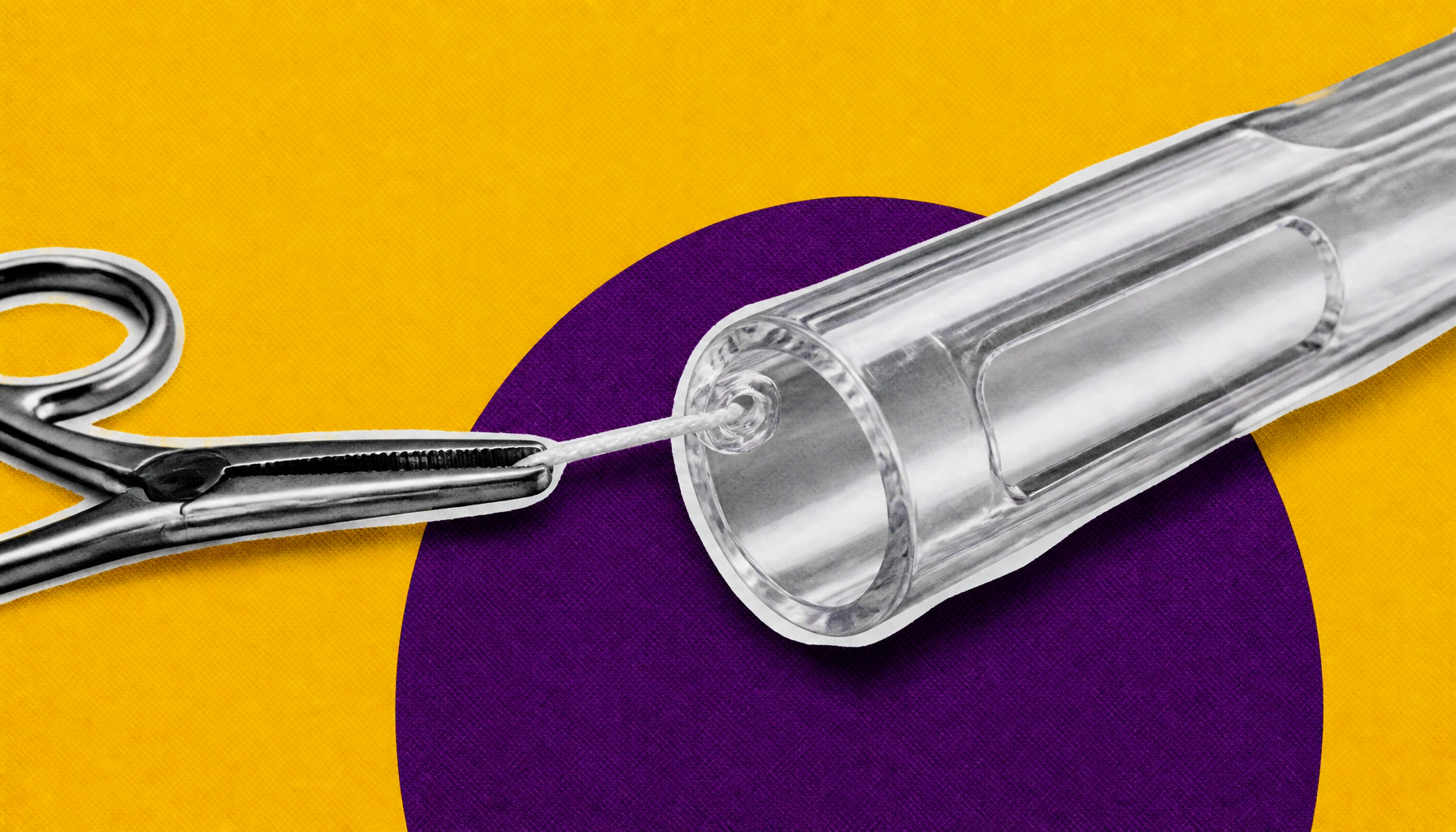
Surgeons at the University of Colorado have developed a novel "dual-fixed" cannula designed to overcome the limitations of traditional hip arthroscopy tools. The device stays securely in place throughout surgery, accommodates larger instruments, and reduces operative time and complication risks. It's already been used in over 1,200 pre-commercial cases with promising results.
Hip arthroscopy is a complex procedure that relies heavily on cannulas — small hollow tubes used to access the joint — but the two traditional options each come with significant drawbacks. Circumferential cannulas restrict instrument movement and frequently dislodge, while slotted cannulas require constant removal and reinsertion, increasing operative time and the risk of soft tissue damage.
A team from the University of Colorado has now described a novel "dual-fixed" cannula in Arthroscopy Techniques that aims to solve these problems. The device features slotted geometry (to accommodate large and curved instruments), suture eyelets and distal nostrils that anchor it to the capsulotomy edges via a stay suture, and a clear radiolucent material that doesn't interfere with imaging. Once placed, it stays fixed for the entire procedure — no assistant or switching stick needed.
Key Takeaways:
Why it matters: Modern hip arthroscopy can involve dozens to hundreds of instrument exchanges per case. A cannula that stays put, improves visualization, and reduces complication risk could meaningfully improve outcomes for both surgeons and patients.