Curie Brief
Turn on cookies to sign in
Signing in saves your progress to your Curie account. We can only do that with cookies on — turn them on to continue.
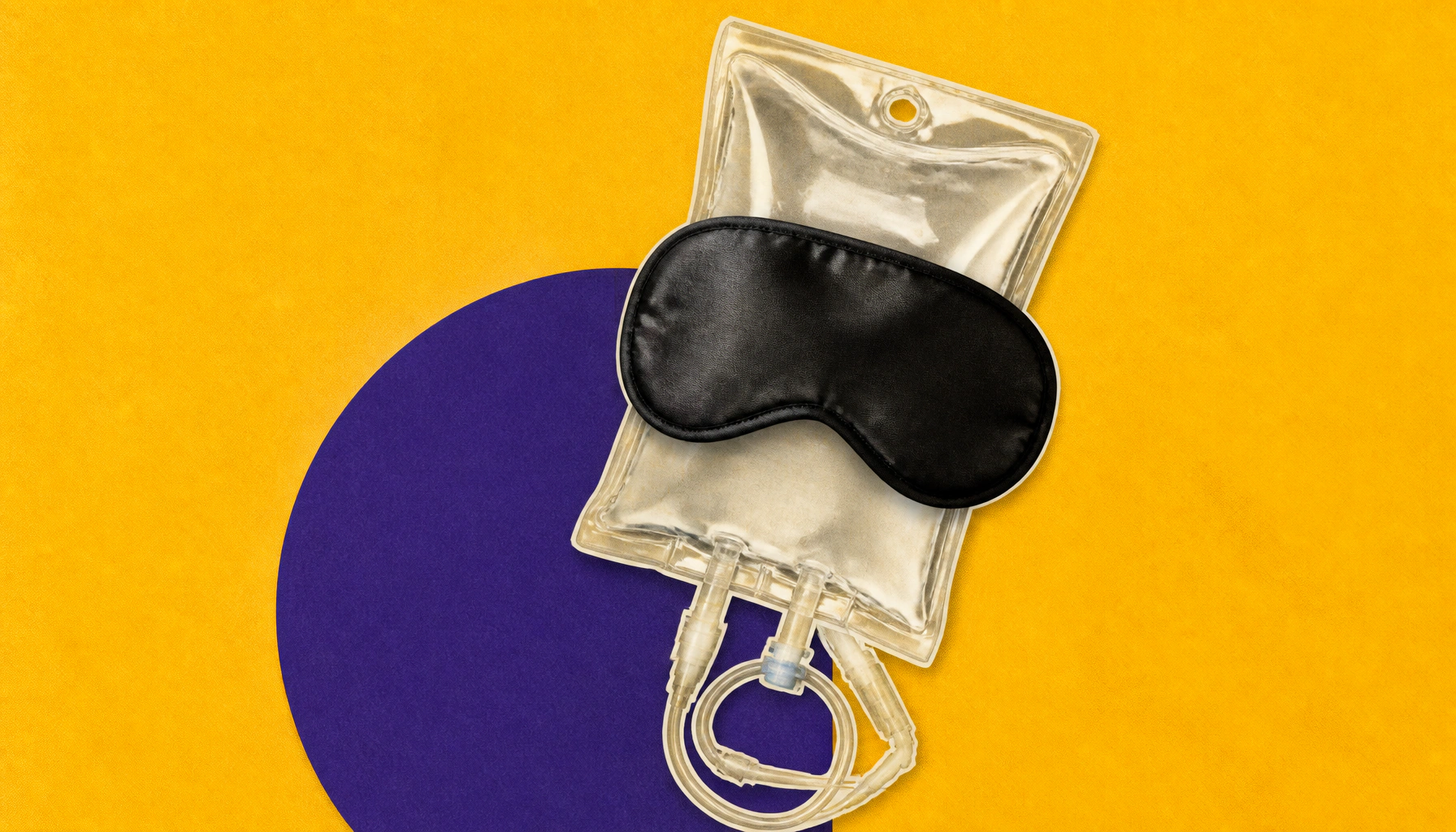
Too little or too much sleep is bad news for cancer survivors. A large cross-sectional study found that survivors who slept outside the recommended 6–8 hours had significantly higher odds of frequent mental and physical distress. Experts say routine sleep assessment should become a standard part of cancer survivorship care.
Cancer survivors already face an uphill battle — and poor sleep may be making it steeper. A new cross-sectional study using data from nearly 1.1 million U.S. adults found that cancer survivors who slept too little or too much were significantly more likely to experience frequent mental and physical distress compared to those hitting the recommended 6–8 hours. Researchers describe it as a "cyclical" problem: stress disrupts sleep, and poor sleep amplifies stress.
What makes this study stand out is its scale. Unlike prior research relying on small, single-institution cohorts, this analysis drew from the Behavioral Risk Factor Surveillance System across 2018, 2020, and 2022 — giving it broad generalizability. Senior author Dr. Timothy Pawlik of The Ohio State University Wexner Medical Center says simple intake questions about sleep could help flag patients with unmet supportive care needs.
Why it matters: Sleep is a low-cost, easily assessed marker of broader health struggles. Incorporating sleep screening into routine oncology care could open the door to earlier intervention for depression, pain, and other survivorship challenges.