Curie Brief
Turn on cookies to sign in
Signing in saves your progress to your Curie account. We can only do that with cookies on — turn them on to continue.
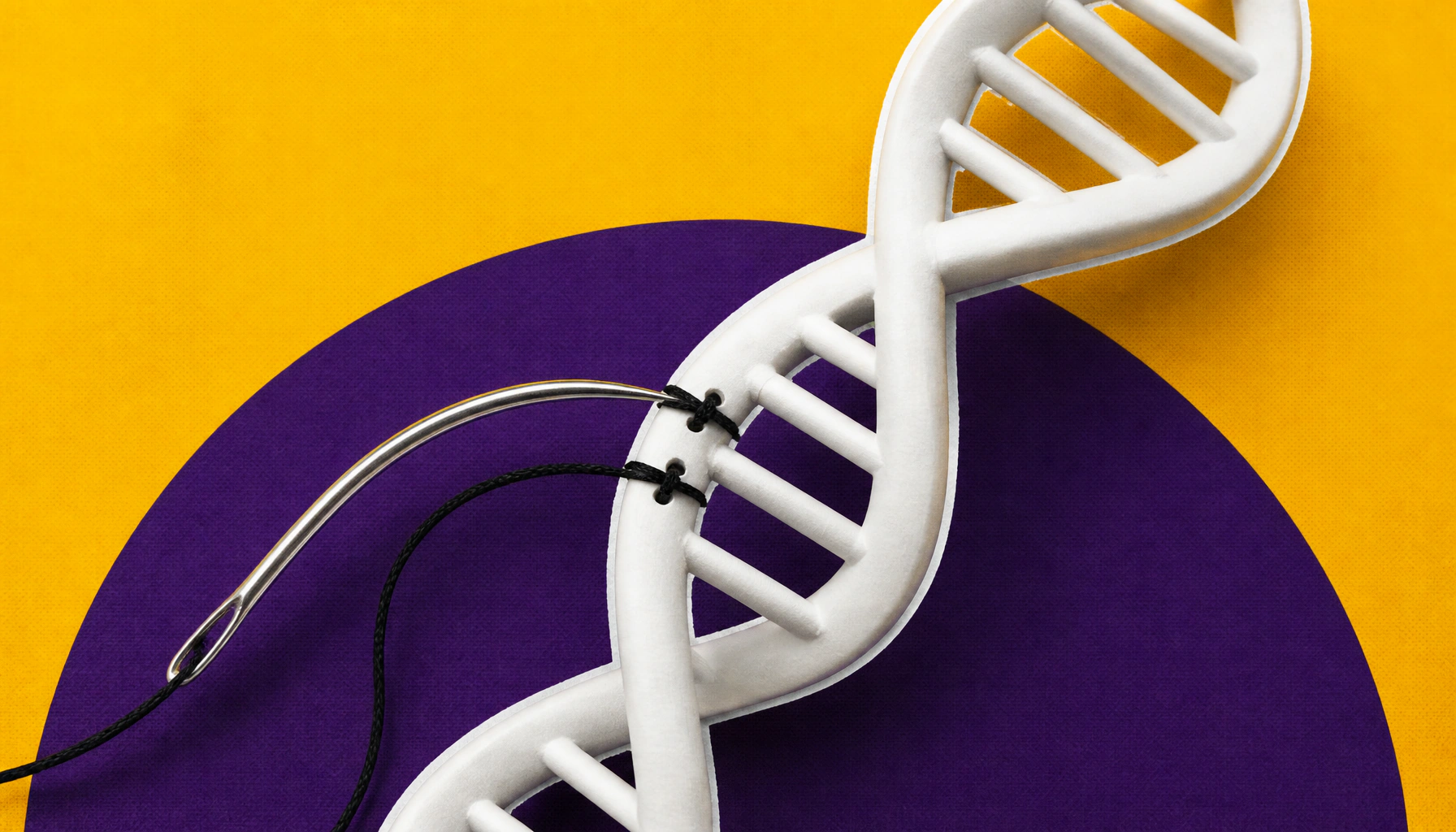
Norway is building a first-of-its-kind biobank of induced pluripotent stem (iPS) cells from nine genetically unique "super donors" whose cells are compatible with a large share of the Nordic population. The Norwegian Biobank of iPS Cells for Clinical Application (NIBCA) aims to treat conditions from Parkinson's disease and macular degeneration to heart attacks and rare skin diseases. Norway is now among Europe's frontrunners in this emerging field.
Norwegian researchers at the University of Oslo are building a groundbreaking biobank of induced pluripotent stem (iPS) cells — cells reprogrammed from ordinary skin cells that can then be transformed into virtually any cell type in the body. The project, called the Norwegian Biobank of iPS Cells for Clinical Application (NIBCA), is sourcing cells from nine genetically special "super donors" whose unique immune profiles make their cells broadly compatible with large portions of the Nordic population.
The applications are wide-ranging: iPS cells could be used to repair retinal damage in macular degeneration, replace dopamine-producing neurons lost in Parkinson's disease, generate healthy skin for patients with the severe genetic condition epidermolysis bullosa, and patch damaged heart muscle after a heart attack. International collaborations are already underway in Sweden, the US, and Portugal, and Norway is coordinating super donor recruitment across Europe to expand population coverage beyond Scandinavia.
By the Numbers
Why it matters: iPS cell biobanks represent a scalable, "off-the-shelf" approach to regenerative medicine. By matching donor cells to large population segments, NIBCA could significantly reduce transplant rejection risks and accelerate clinical trials — bringing cell-based therapies closer to mainstream medicine across Europe.