Curie Brief
Turn on cookies to sign in
Signing in saves your progress to your Curie account. We can only do that with cookies on — turn them on to continue.
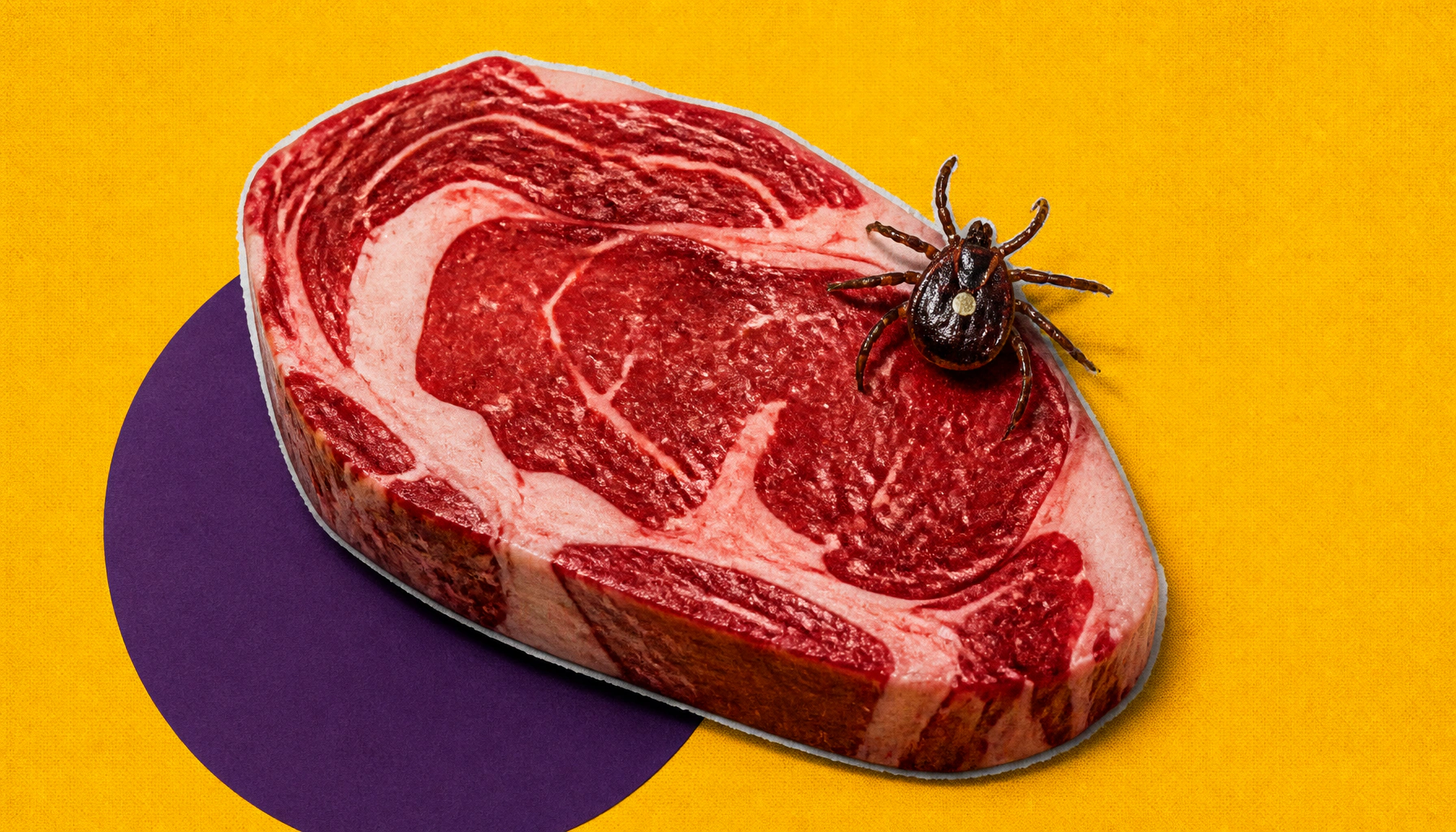
Alpha-gal syndrome — a rare meat allergy triggered by lone star tick bites — is still flying under the radar for many clinicians, despite being potentially life-threatening. Symptoms like abdominal pain, vomiting, and diarrhea appear 4–8 hours after eating mammalian meat, making the connection easy to miss. Experts urge GI specialists in endemic areas to take detailed patient histories and use the blood test carefully, given its high false-positive rate.
Alpha-gal syndrome is a food allergy unlike any other — triggered not by what you eat, but by a tick bite. When the lone star tick bites, it introduces alpha-gal sugar into the bloodstream, prompting the immune system to attack that same sugar when it's later consumed in beef, pork, or other mammalian products. Symptoms — including abdominal pain, vomiting, and diarrhea — typically appear 4 to 8 hours after eating, making the food connection easy for both patients and clinicians to miss.
Despite a 2023 AGA clinical practice update, awareness among gastroenterologists remains low. Dr. Sarah K. McGill of UNC Chapel Hill warns that the alpha-gal IgE blood test carries a significant false-positive rate, meaning diagnosis must be confirmed through patient history, dietary avoidance trials, and symptom resolution — not the test alone. Tick prevention (especially permethrin-treated clothing) is the best defense, as repeat bites can worsen antibody levels and clinical severity.
Key Takeaways:
Why it matters: With an estimated ~450,000 Americans having developed this allergy and the lone star tick's range expanding due to climate change, alpha-gal syndrome is a growing clinical challenge. Missed or delayed diagnoses put patients at risk of life-threatening reactions — making clinician education urgent.