Curie Brief
Turn on cookies to sign in
Signing in saves your progress to your Curie account. We can only do that with cookies on — turn them on to continue.

Asthma isn't just a lung disease — it may be affecting the brain too. A new study found that patients with severe type 2 asthma had significantly less brain volume and disrupted white matter compared to those with mild or well-controlled asthma. Researchers believe systemic inflammation may be the culprit, and they're now investigating whether biologic treatments can reverse the damage.
Asthma has long been considered a lung condition, but a new study presented at the European Respiratory Society International Congress suggests the inflammation driving it may reach far beyond the airways — all the way to the brain. Researchers from the University of Bristol found that patients with severe type 2 asthma showed significant reductions in brain volume and disrupted white matter structure compared to those with mild or well-controlled asthma.
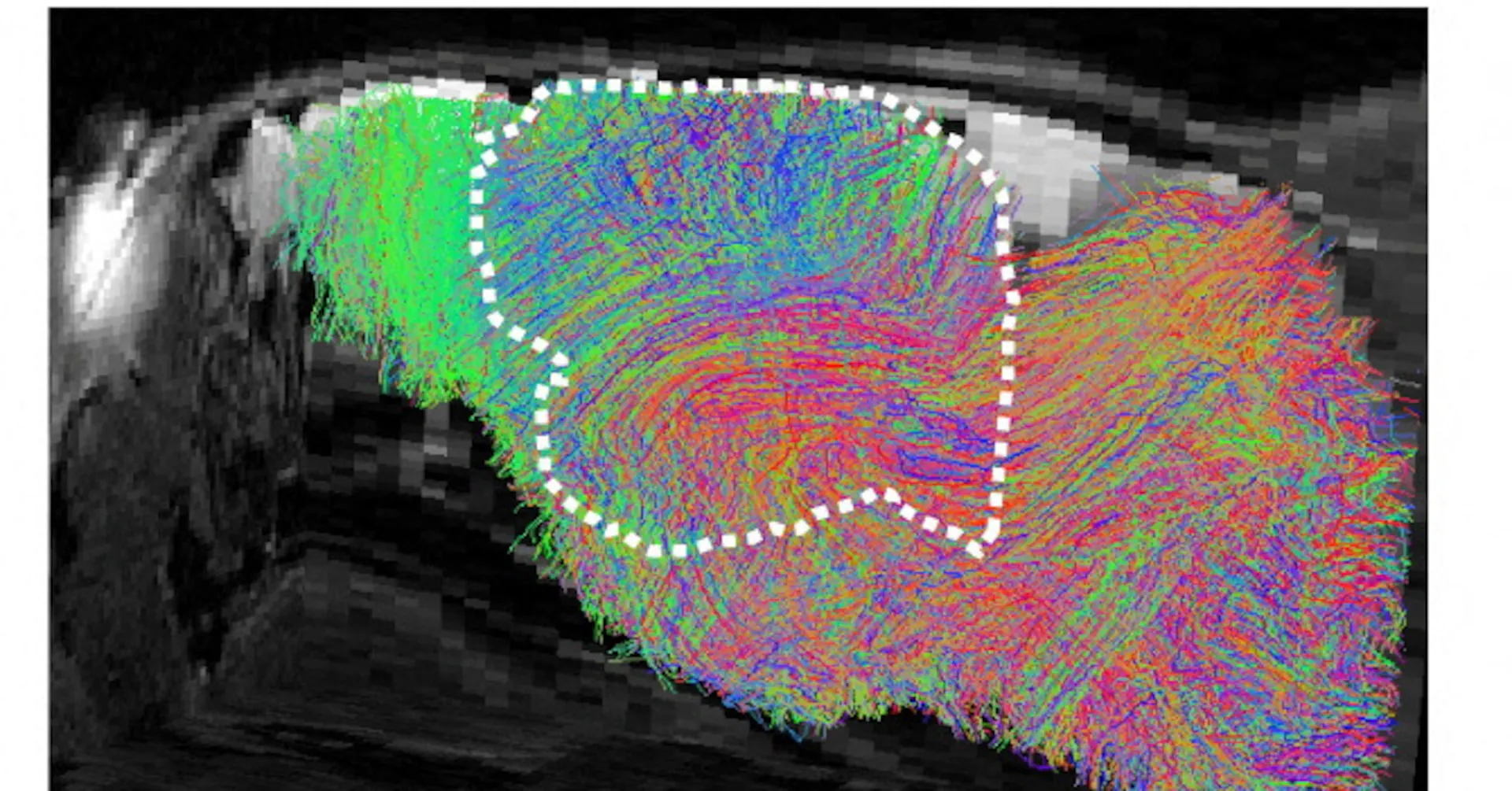
Using MRI and quasi-diffusion imaging — a technique that maps the brain's white matter at a microscopic level — the team identified widespread structural differences in the severe asthma group, spanning multiple brain regions including the temporal, frontal, and parietal lobes, as well as the hippocampus and thalamus. These changes correlated with inflammatory markers, hinting at a biological link between airway inflammation and brain structure.
By the Numbers:
Why it matters: This research challenges the notion that asthma is purely a respiratory disease and raises important questions about long-term neurological impact. The team is now re-scanning patients after 6 months of mepolizumab therapy to see if reducing inflammation can reverse these brain changes — a finding that could reshape how severe asthma is managed holistically.