Curie Brief
Turn on cookies to sign in
Signing in saves your progress to your Curie account. We can only do that with cookies on — turn them on to continue.
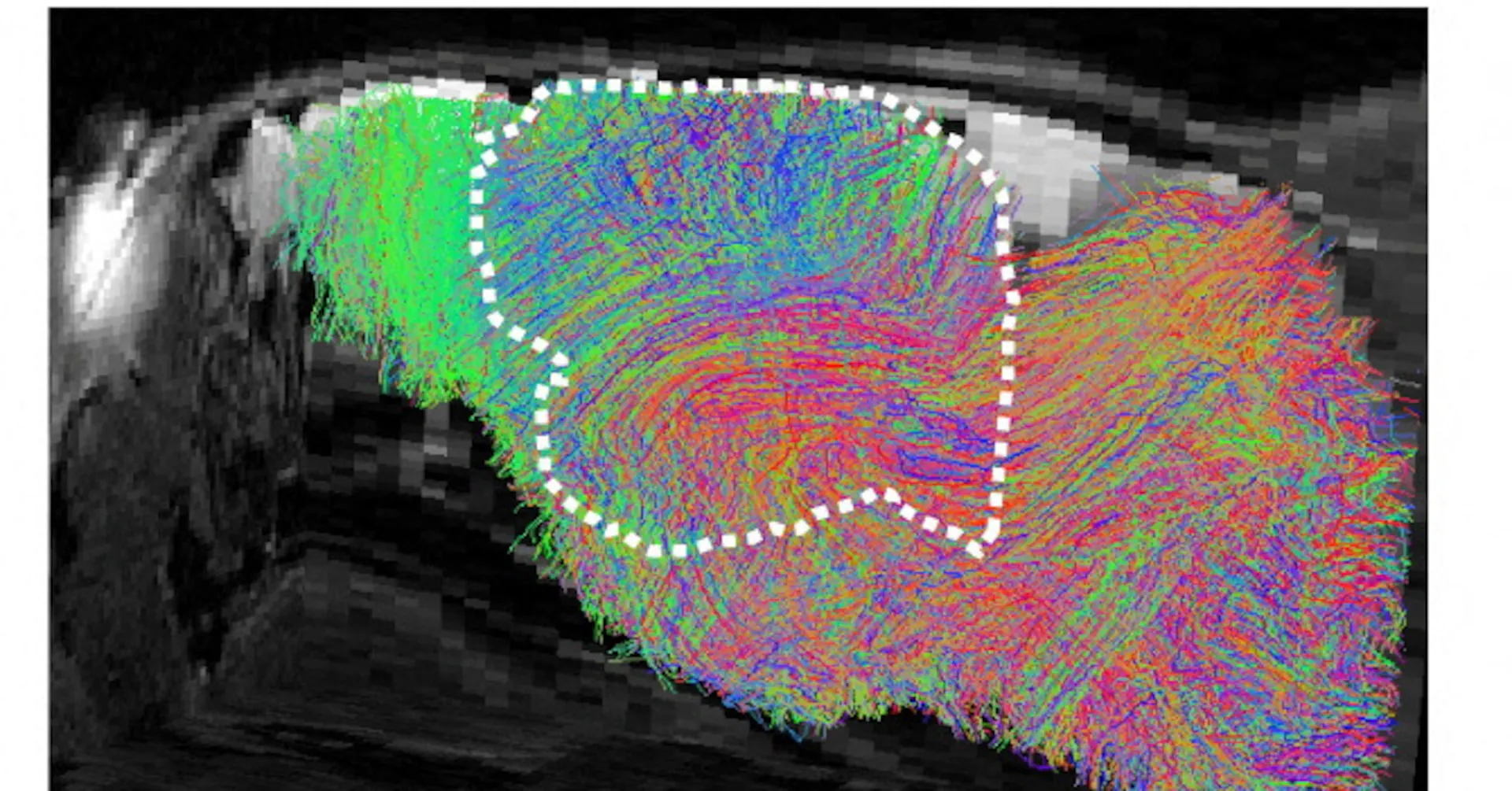
Stanford scientists have transplanted lab-grown human brain tissue into bioengineered mice, creating a powerful new model for studying neurological disorders. The human tissue formed functional neural networks within the mice, mimicking key aspects of human brain development. This could accelerate research into conditions like autism, epilepsy, cerebral palsy, and schizophrenia.
Stanford University researchers have achieved a major neuroscience milestone: successfully transplanting lab-grown human brain tissue — called cortical organoids — into mice engineered to lack most of their own cerebral cortex. The human tissue not only survived but formed functional neural networks, generated a broad diversity of cortical cell types, and established connections throughout the mouse nervous system, closely mirroring key features of human brain development.
The team, led by neuroscientist Sergiu Pasca, created the organoids by reprogramming skin or blood cells into stem cells, then coaxing them into three-dimensional structures resembling the human cerebral cortex — the region governing cognition, language, and decision-making. The resulting "xenocortical" mice retained their mouse nervous systems but housed a meaningful volume of integrated human cortical tissue.
In an early application, the mice were exposed to oxygen deprivation — a known risk factor for cerebral palsy, epilepsy, and autism — and showed significant injury to human cortical cells and motor deficits, while ordinary mice were unaffected, demonstrating the model's unique ability to capture human-specific vulnerabilities.
Key Takeaways:
Why it matters: Nearly 1 in 5 people are affected by neurological or psychiatric disorders, yet effective treatments remain elusive for many. This new research platform offers an unprecedented window into human brain development and disease — without the ethical barriers of studying living human brain tissue directly.