Curie Brief
Turn on cookies to sign in
Signing in saves your progress to your Curie account. We can only do that with cookies on — turn them on to continue.
Digital twins — patient-specific computer simulations built from MRI data — are proving their worth in cardiology and now have oncology in their sights. A Johns Hopkins trial used a heart digital twin to guide VT ablation in 10 patients, with 8 out of 10 remaining arrhythmia-free after over a year. Researchers are now applying the same concept to breast cancer, brain tumors, and beyond — with promising early results.
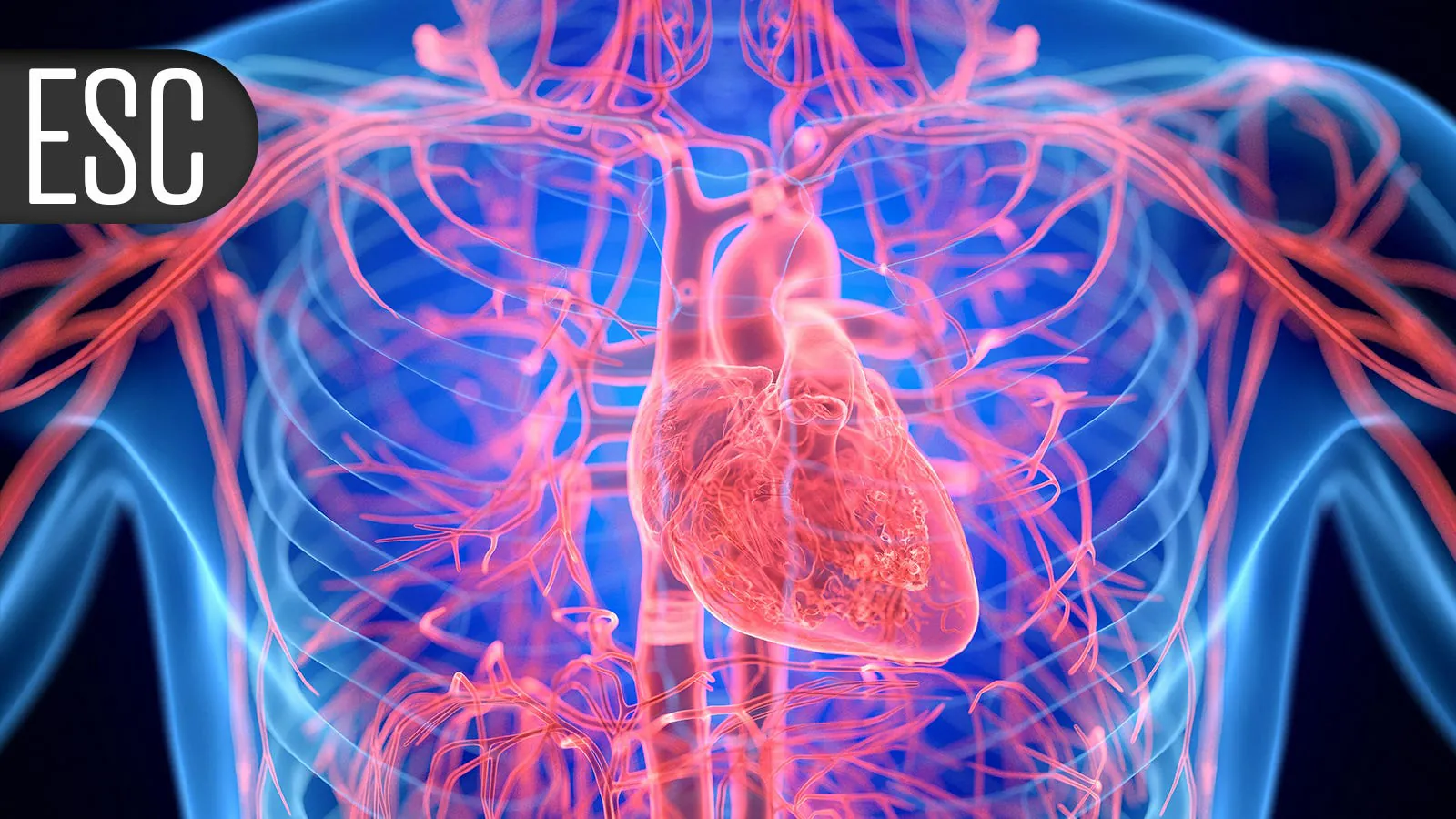
Imagine treating a virtual copy of a patient before touching the real one. That's exactly what researchers at Johns Hopkins did in the TWIN-VT study — the first prospective trial using a patient-specific computational heart model to guide ventricular tachycardia (VT) ablation. Built from contrast-enhanced MRI scans, the digital twin mapped each patient's scar tissue, simulated arrhythmia circuits, and identified precise ablation targets — all before the procedure began.
The results were striking. All 10 post-heart-attack patients were rendered noninducible for VT by the end of their procedures. Over a mean follow-up of 405 days, 8 of 10 remained arrhythmia-free without anti-arrhythmic drugs, and none received an ICD shock — outcomes that appear to outperform the current standard of care.
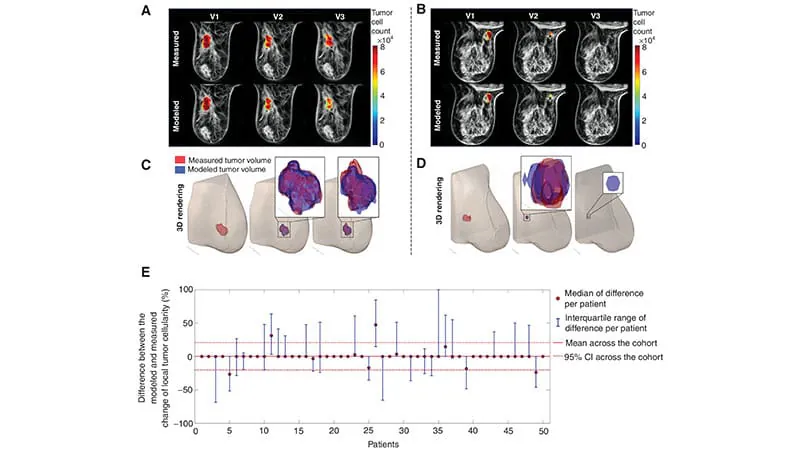
Now, researchers are asking whether the same approach can work for cancer. A 2025 study applied digital twin modeling to 105 triple-negative breast cancer patients, predicting pathological complete response with an AUC of 0.82. Crucially, simulating alternative chemotherapy schedules suggested that 26 of 41 non-responders could have achieved complete response with different drug timing — pushing predicted response rates from 61% to 86%.
By the Numbers
Why it matters: Digital twins represent a potential paradigm shift in personalized medicine — moving from population-based treatment protocols to simulations tailored to each patient's unique biology. While cardiology is roughly a decade ahead, the oncology results are generating real excitement. The biggest remaining hurdles aren't technical — they're logistical: how to integrate twin predictions into clinical workflows and validate them in prospective trials.