Curie Brief
Turn on cookies to sign in
Signing in saves your progress to your Curie account. We can only do that with cookies on — turn them on to continue.
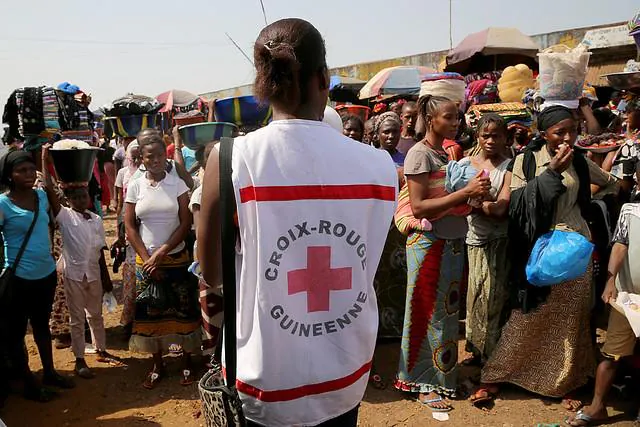
Hold the optimism. While DRC government officials are signaling that the country's Ebola outbreak may have peaked, UN and WHO officials are urging caution — transmission is still surging in some regions. With 7,258 confirmed cases and 3,510 deaths, this outbreak is expanding faster than any Ebola outbreak in recorded history, including the devastating 2014–16 West Africa crisis.
Cautious signals, but no turning point yet. DRC government officials have been cautiously optimistic on social media, pointing to a drop in daily deaths (from ~50 to ~30) and new infections (from ~120 to ~80 per day) as signs the Ebola outbreak may have peaked. Ten of 62 affected health zones have gone more than 22 days without a new case. But UN and WHO officials aren't ready to declare a turning point.
"It remains a deadly and massive epidemic," said UN Ebola coordinator Julien Harneis at a Geneva press briefing. WHO's Olivier le Polain echoed the caution: "It's too early to confidently say we have passed a peak." While Ituri province has seen a slowdown, North Kivu is still seeing alarming transmission — with most new cases occurring outside known chains of contact.
By the Numbers:
Why it matters: This is the largest Ebola outbreak in DRC's history and the second-largest ever recorded. It's unfolding amid active conflict, weak health infrastructure, and community mistrust — making containment exceptionally difficult. The gap between government optimism and UN caution underscores how fragile any progress remains.