Curie Brief
Turn on cookies to sign in
Signing in saves your progress to your Curie account. We can only do that with cookies on — turn them on to continue.
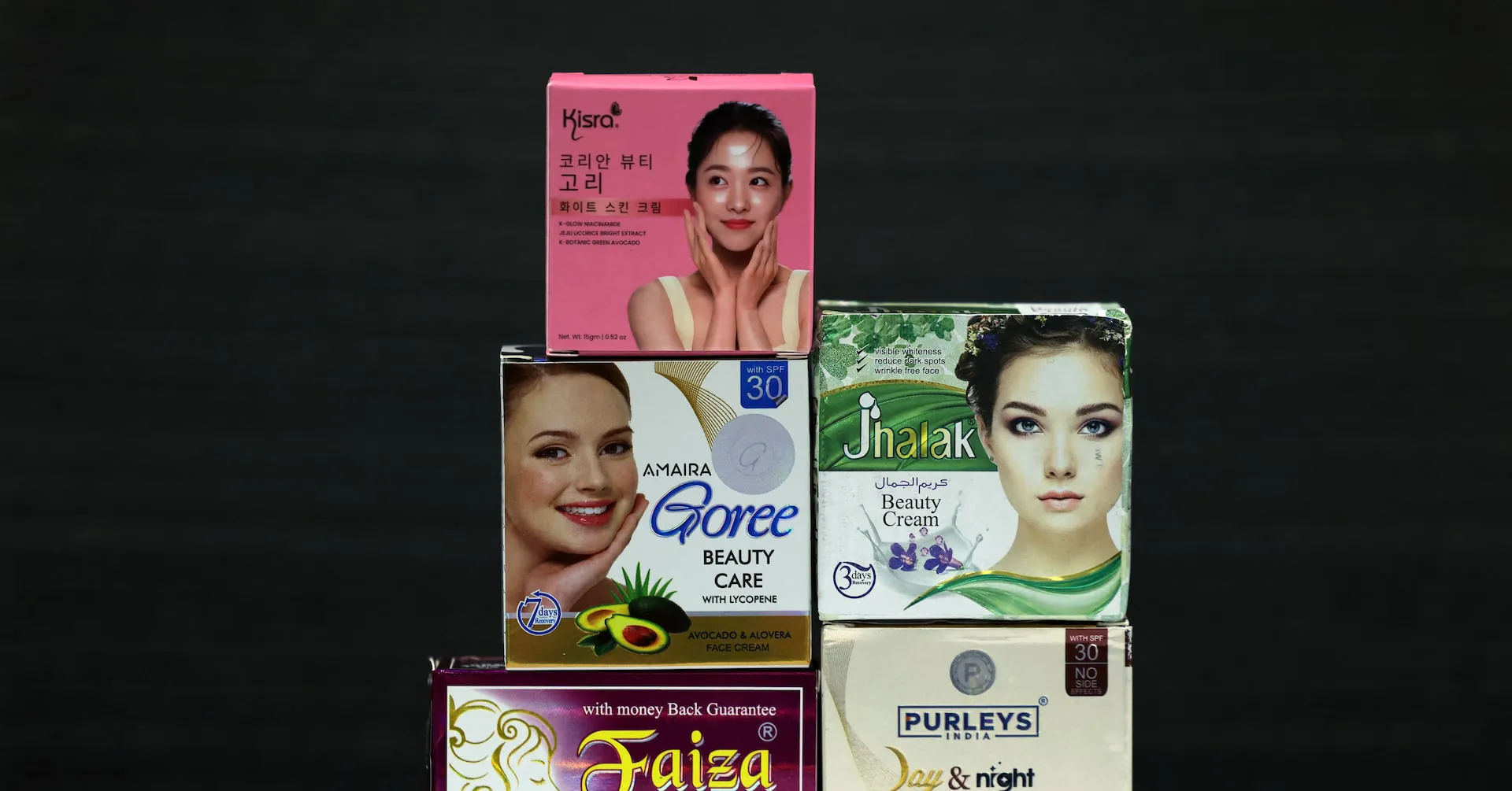
Despite a global ban, mercury-laced skin-bleaching creams are still being sold on major e-commerce platforms. A Reuters investigation found 20+ banned products available on Amazon, Temu, and TikTok Shop across multiple countries. Sellers are dodging detection by relisting under misleading names, while regulators and platforms struggle to keep up.
More than a decade after the 2013 Minamata Convention banned mercury-containing products across 150+ nations, a Reuters investigation found over 20 such skin-bleaching products still available on Amazon, Temu, and TikTok Shop in the U.S., France, India, the UAE, and Belgium. None of the products list mercury as an ingredient, and sellers are increasingly sophisticated — relisting banned items under misleading names or through different seller accounts shortly after removal.
The persistence of these products is driven by demand and economics. Mercury produces visible skin-lightening results within days and costs a fraction of legal alternatives, making it attractive in a multibillion-dollar industry popular across Asia, Africa, and the Caribbean. The WHO warns there is no safe level of mercury exposure, and illegal products can contain concentrations far exceeding FDA limits.
By the Numbers:
Why it matters: Mercury exposure can damage the kidneys, brain, and nervous system — and consumers often have no idea they're buying a toxic product. With e-commerce enforcement lagging behind seller evasion tactics, public health advocates and regulators are calling for stronger platform accountability and cross-border coordination.