Curie Brief
Turn on cookies to sign in
Signing in saves your progress to your Curie account. We can only do that with cookies on — turn them on to continue.
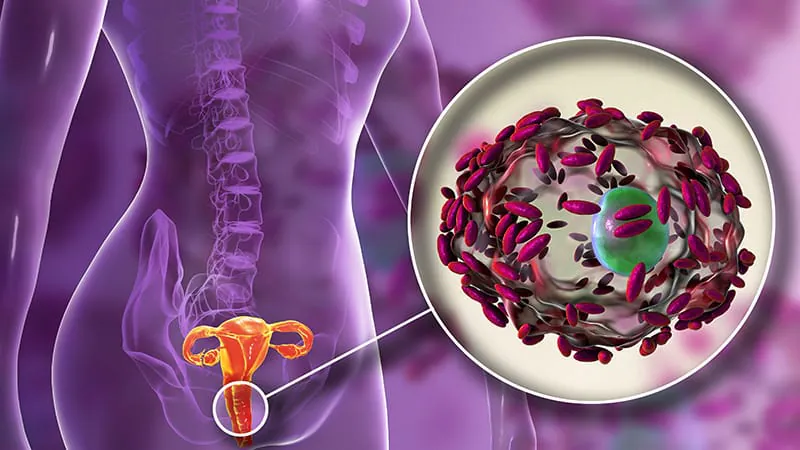
Social media is buzzing about vaginal probiotics, but the science tells a more nuanced story. Certain Lactobacillus strains can reduce recurrent bacterial vaginosis (BV), especially after antibiotic treatment — but these benefits don't extend to every product on the market. Experts warn that self-diagnosing from wellness trends can delay real medical care.
Vaginal probiotics are having a moment online, with influencers touting them as a fix for odor, discharge, and infections. But clinicians say the evidence is far more specific — and far more limited — than the wellness industry lets on.
Some research does support probiotic use for recurrent bacterial vaginosis (BV), particularly when taken after antibiotic treatment. A 2022 meta-analysis of 18 studies found that probiotics combined with antibiotics reduced BV recurrence. A landmark randomized controlled trial of Lactin-V — a preparation containing a specific Lactobacillus crispatus strain — showed significant reduction in BV recurrence after metronidazole treatment compared to placebo. For vulvovaginal candidiasis (yeast infections), however, the evidence is inconsistent, and fluconazole remains the more effective treatment.
The bigger concern? Patients self-diagnosing based on social media trends and reaching for probiotic products instead of seeking proper medical evaluation — potentially delaying treatment for real conditions.
Key Takeaways:
Why it matters: With vaginal health content flooding social media, clinicians need to help patients distinguish evidence-backed probiotic use from marketing hype — before delayed diagnoses become a real problem.