Curie Brief
Turn on cookies to sign in
Signing in saves your progress to your Curie account. We can only do that with cookies on — turn them on to continue.
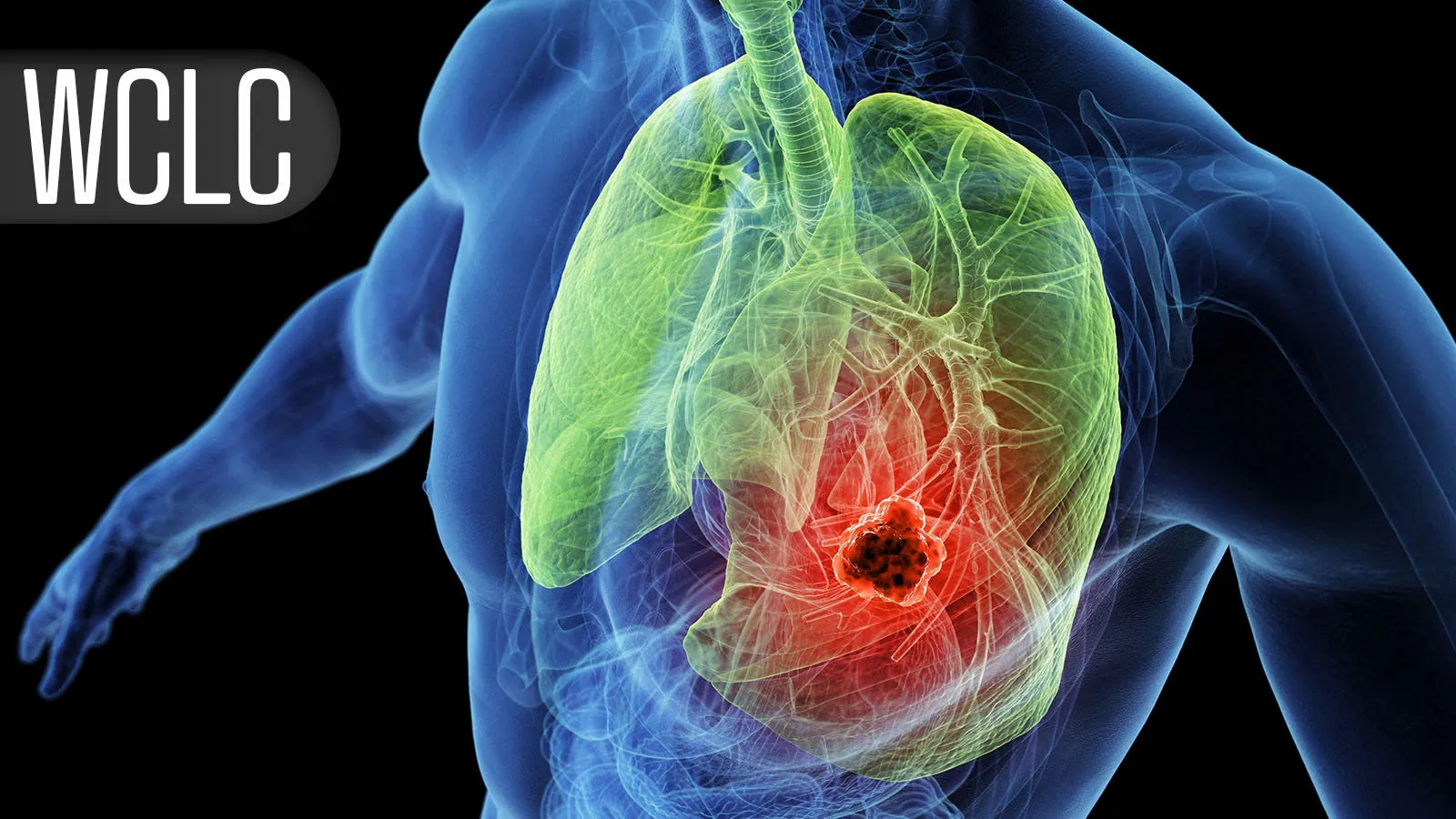
A ROS1-targeting lung cancer drug is turning heads with near-perfect early results. Updated data from the ARROS-1 trial show zidesamtinib (Jideytro) achieved a 94% objective response rate in TKI-naive patients with advanced ROS1-positive NSCLC — among the highest ever seen in lung cancer. All 10 CNS-evaluable patients had an intracranial response, and GSK plans to file for first-line FDA approval.
A lung cancer drug is delivering some of the most striking efficacy numbers the field has ever seen. Updated data from the phase I/II ARROS-1 trial, presented at the World Conference on Lung Cancer in Seoul, show that zidesamtinib (Jideytro, GSK) achieved a 94% objective response rate — including 15% complete responses — in patients with advanced or metastatic ROS1-positive NSCLC who had not previously received a tyrosine kinase inhibitor (TKI). Median progression-free survival was not yet reached, with 90% of patients progression-free at 12 months.
The brain metastasis data were equally compelling: all 10 CNS-evaluable patients had an intracranial response, and 7 achieved a complete intracranial response. Experts noted this could help patients avoid whole-brain radiation and preserve quality of life. GSK plans to submit a supplemental new drug application to the FDA to expand zidesamtinib into the first-line setting, building on its existing approval for previously treated ROS1+ NSCLC (where it showed a 44% ORR).
By the Numbers:
Why it matters: ROS1-positive NSCLC accounts for roughly 1–2% of lung cancers, but patients tend to be younger and non-smokers. Current frontline TKIs have limitations around CNS penetration and tolerability. Zidesamtinib's combination of high systemic and intracranial efficacy with a manageable safety profile could position it as a new standard of care if first-line approval is granted.