Curie Brief
Turn on cookies to sign in
Signing in saves your progress to your Curie account. We can only do that with cookies on — turn them on to continue.
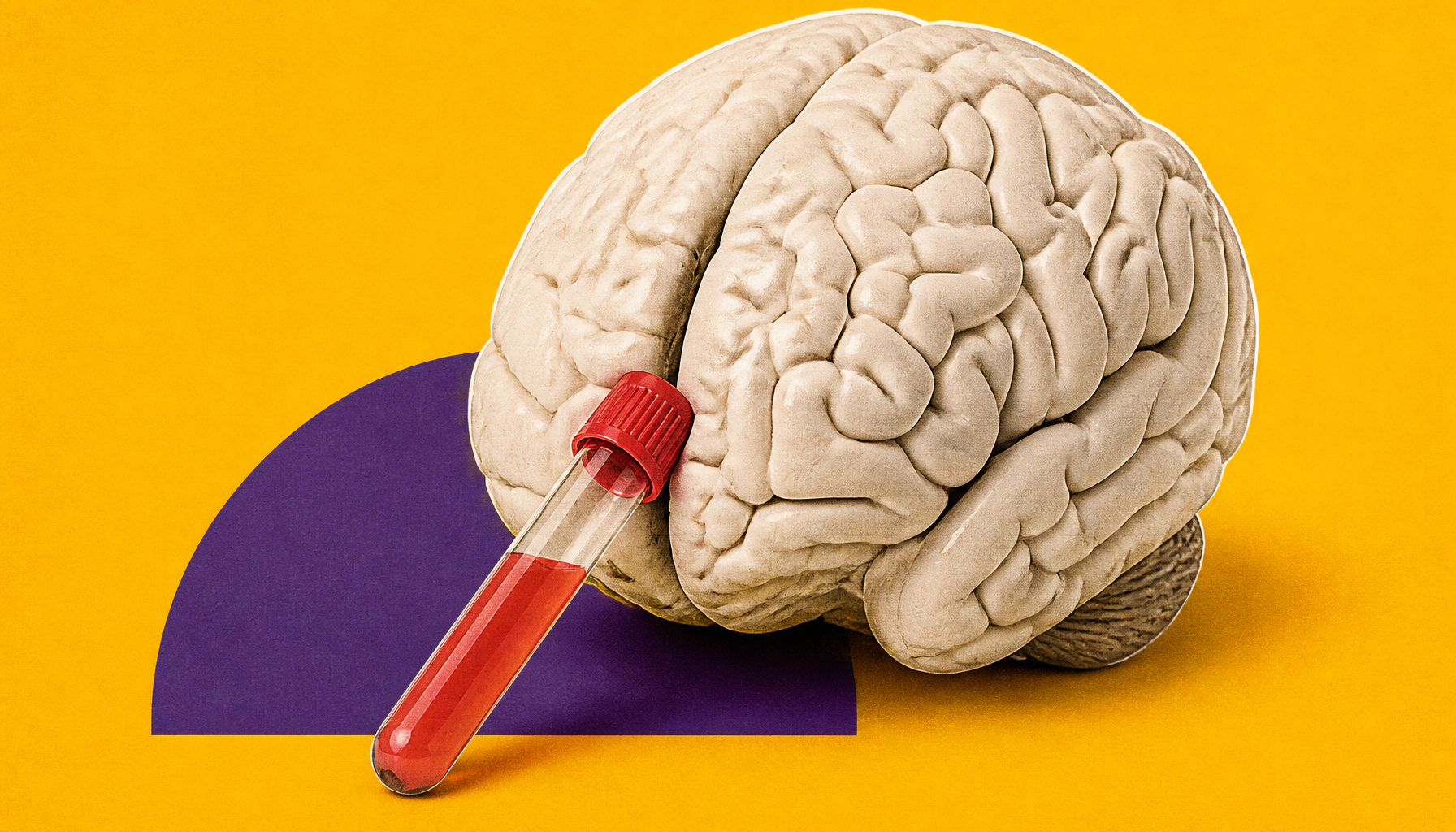
A landmark study reveals the brain's immune landscape shifts dramatically in midlife — and not for the better. Between ages 50 and 75, the brain's resident immune cells decline and are replaced by more inflammatory ones, while the blood-brain barrier weakens and the genome's 3D structure deteriorates. These coordinated changes may help explain why aging is the single biggest risk factor for Alzheimer's disease.
Scientists have uncovered a sweeping biological transformation in the human brain that begins around midlife — and it could rewrite our understanding of Alzheimer's disease. Published in Science and funded by the NIH's 4D Nucleome program, the study used advanced single-cell methods to examine gene regulation and 3D genome organization in the hippocampus — the brain's memory hub — across 40 neurologically healthy adults aged 20 to 95.
The most striking finding: between ages 50 and 75, the brain's original immune cells (microglia), long thought to self-renew for life, decline sharply and are replaced by cells with stronger inflammatory signatures resembling peripheral blood immune cells. Simultaneously, cells maintaining the blood-brain barrier weaken, and the genome's 3D architecture becomes increasingly disorganized across multiple cell types — suggesting aging involves coordinated, system-wide remodeling rather than a simple gradual decline.
Key Takeaways:
Why it matters: These findings open new doors for therapeutic targets aimed at preserving brain function in aging — potentially enabling interventions before neurodegeneration takes hold.