Curie Brief
Turn on cookies to sign in
Signing in saves your progress to your Curie account. We can only do that with cookies on — turn them on to continue.
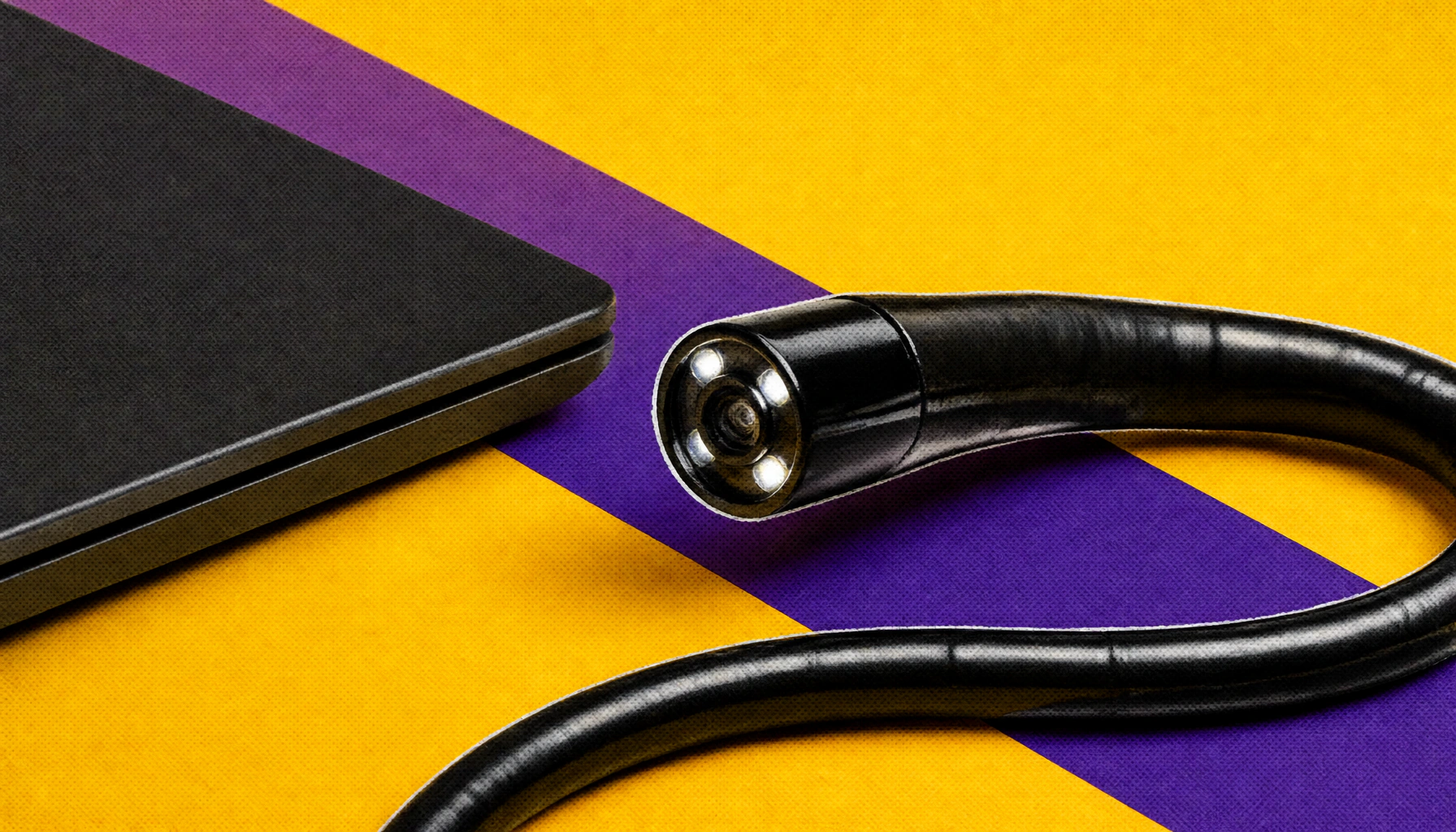
Diagnosing whether a bile duct narrowing is cancerous just got a major AI upgrade. A new meta-analysis found that AI-assisted cholangioscopy achieved 95% sensitivity, 88% specificity, and 97% diagnostic accuracy for identifying malignant or indeterminate biliary strictures. The findings, drawn from 674 patients and over 2.6 million images, suggest AI could meaningfully reduce diagnostic uncertainty in a notoriously tricky clinical area.
Telling a benign bile duct narrowing apart from a cancerous one has long been one of gastroenterology's trickier challenges — but AI may be about to change that. A systematic review and meta-analysis published in the Journal of Clinical Gastroenterology found that AI-based machine learning tools, when combined with digital cholangioscopy, delivered impressive diagnostic performance for indeterminate and malignant biliary strictures.
The analysis pooled data from 5 studies (published 2021–2023), covering 674 patients and 2.68 million cholangioscopic images. Most studies used convolutional neural networks (CNNs), with one using a real-time image transformer algorithm. Results held up across multiple sensitivity analyses — including prospective-only and multicenter-only subgroups.
By the Numbers
Why it matters: Biliary strictures are high-stakes — missing a malignancy can be fatal, while over-treating a benign lesion carries real risks too. AI-assisted cholangioscopy could sharpen diagnostic precision significantly, though researchers note that larger imaging libraries and standardized training sets are still needed to build on these results.