Curie Brief
Turn on cookies to sign in
Signing in saves your progress to your Curie account. We can only do that with cookies on — turn them on to continue.
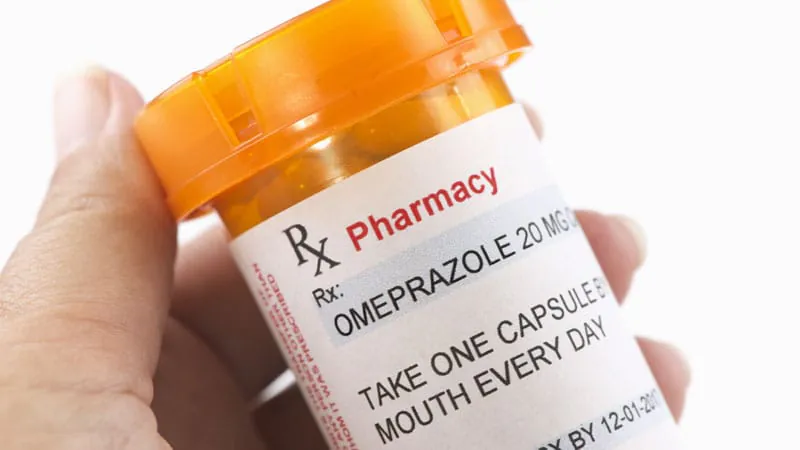
Proton pump inhibitors (PPIs) have long been suspected of masking gastric cancer symptoms and delaying diagnosis — but a large new study flips that narrative. Researchers found that PPI use before a gastric cancer diagnosis was linked to earlier-stage detection and lower 5-year mortality. The findings suggest PPIs may even have antitumor properties, though endoscopy remains essential when symptoms arise.
Proton pump inhibitors (PPIs) have long carried a worry: could these widely used acid-suppressing drugs hide early signs of gastric cancer, pushing patients toward later — and deadlier — diagnoses? A major new study published in the American Journal of Gastroenterology says not so fast.
Analyzing data from over 21,000 patients with gastric non-cardia adenocarcinoma across five Nordic countries, researchers found that PPI users were actually less likely to present with advanced or metastatic disease and had lower 5-year mortality compared to non-users. Both light and heavy PPI users showed roughly a 10–13% reduced risk of disease-specific and all-cause mortality. Researchers also floated a possible biological explanation — PPIs may exert an antitumor effect via the STAT3/SHP-1 signaling pathway, potentially leading to less aggressive cancer biology.
By the Numbers
Why it matters: These findings reassure clinicians that prescribing PPIs won't inadvertently worsen cancer outcomes. However, researchers stress this should never replace prompt endoscopy when gastric cancer symptoms are present.