Curie Brief
Turn on cookies to sign in
Signing in saves your progress to your Curie account. We can only do that with cookies on — turn them on to continue.
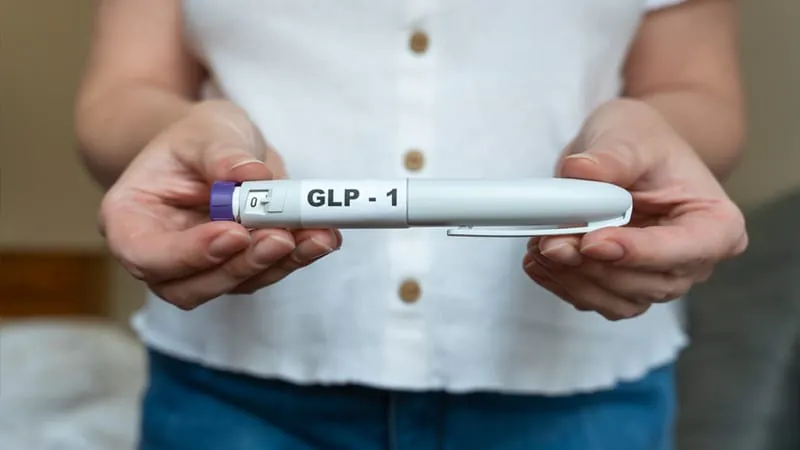
The debate over long-term GLP-1 use is heating up. Stopping these drugs often leads to rapid weight regain — patients regain about two-thirds of lost weight within a year — and reversal of cardiometabolic gains. But experts say the answer isn't one-size-fits-all: lower doses, oral options like orforglipron, and endoscopic procedures are emerging as viable strategies for patients who can't or won't stay on full-dose injectables indefinitely.
The question dominating obesity medicine right now: once you start a GLP-1 drug, can you ever stop? Experts debated this at the 37th Brazilian Congress of Endocrinology and Metabolism, and the evidence leans heavily toward long-term use. Studies show that stopping semaglutide leads to regaining roughly two-thirds of lost weight within a year, with blood pressure and lipid improvements also reversing. Appetite-regulating hormones like ghrelin remain elevated for at least a year after weight loss, biologically driving regain. The SELECT trial further showed semaglutide reduced major cardiovascular events by 20% — benefits that disappear off-drug.
That said, a blanket "stay on it forever" approach isn't the full picture. The SURMOUNT-MAINTAIN trial found that stepping down to tirzepatide 5 mg (from 10–15 mg) preserved 67.9% of weight loss — a meaningful middle ground. The ATTAIN-MAINTAIN trial showed oral orforglipron maintained 74–79% of prior weight loss after switching from injectables. And for patients who stop GLP-1s entirely, endoscopic sleeve gastroplasty achieved 17.9% total weight loss vs. just 0.8% with lifestyle modification alone.
Key Takeaways:
Why it matters: With 50–65% of patients discontinuing GLP-1s within the first year due to cost, side effects, or coverage gaps, clinicians need a toolkit beyond "keep taking it." Dose reduction, oral agents, and procedural options are giving HCPs real, evidence-backed alternatives to help patients maintain hard-won gains.