Curie Brief
Turn on cookies to sign in
Signing in saves your progress to your Curie account. We can only do that with cookies on — turn them on to continue.
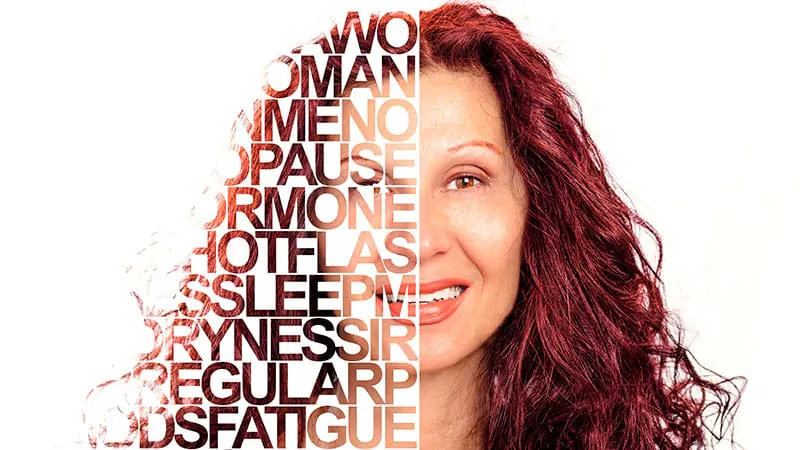
Menopausal hormone therapy (HT) may do more than ease hot flashes — a new study suggests it could significantly improve mood and sleep too. In a retrospective observational study of 260 women, those who started HT saw major reductions in depressive mood, irritability, anxiety, and mental exhaustion. The share of patients with severe mood symptoms dropped from 62% to just 25% after about 4.5 months.
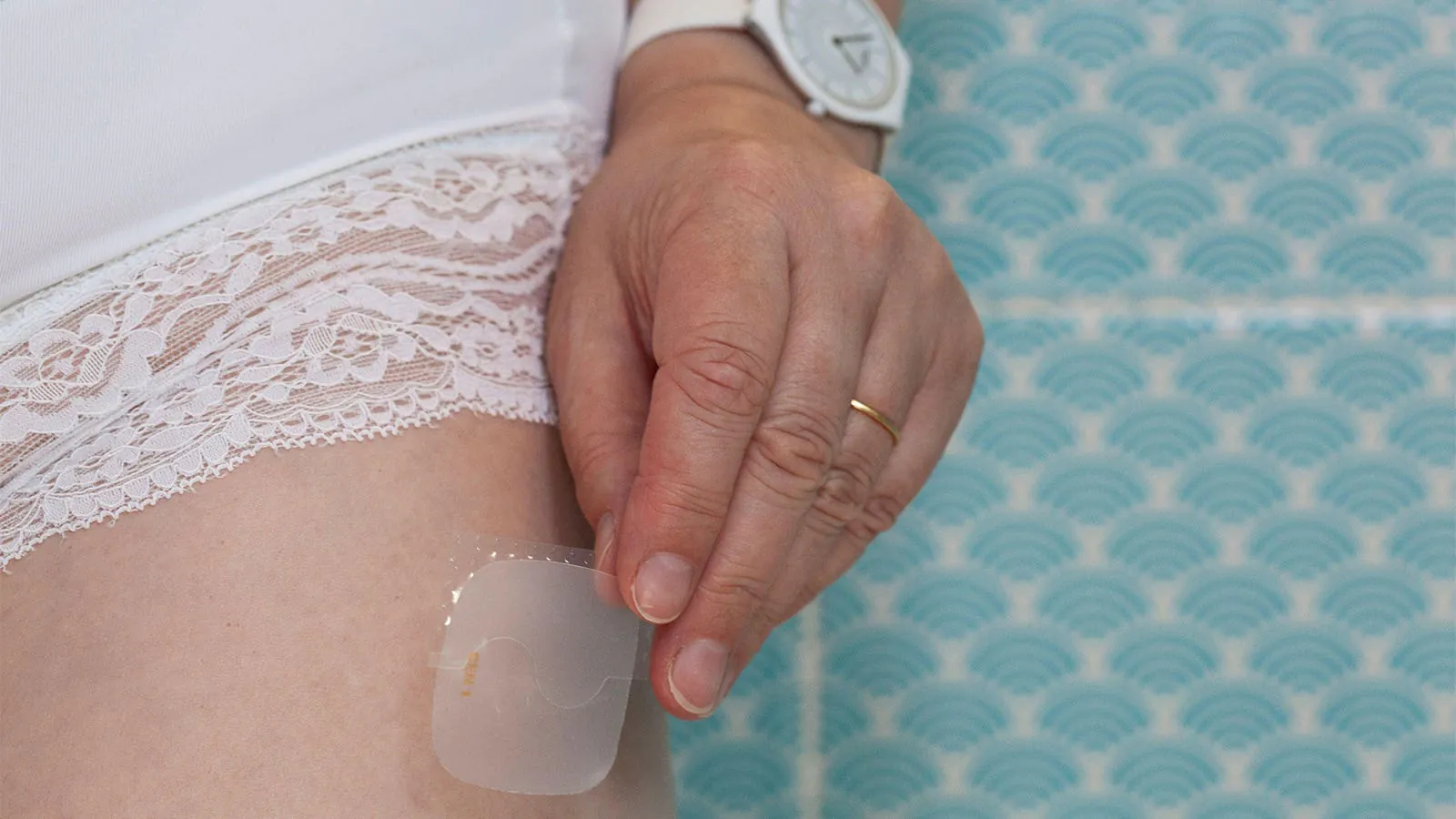
Menopausal hormone therapy (HT) is already FDA-approved for hot flashes, genitourinary symptoms, and osteoporosis prevention — but a new study hints it may also be a powerful tool for tackling the mood and sleep disruptions that plague many women during the menopause transition. In a retrospective observational study published in Menopause, researchers from NYU Grossman School of Medicine followed 260 perimenopausal and postmenopausal women who were prescribed systemic HT and found significant improvements in psychological symptoms after a mean follow-up of 4.5 months.
Women with the most severe baseline mood symptoms saw the greatest gains, and sleep scores improved alongside psychological ones. Notably, benefits were consistent regardless of antidepressant use, history of anxiety or depression, menopause stage, race, or age — suggesting broad applicability.
By the Numbers:
Why it matters: HT is not currently FDA-approved for mood disturbances, and no standardized treatment protocols exist for menopause-related mental health symptoms. While the study's observational design limits cause-and-effect conclusions, these findings could reshape how clinicians approach comprehensive menopause care — especially for the estimated 60–86% of women who seek medical help for symptoms.