Curie Brief
Turn on cookies to sign in
Signing in saves your progress to your Curie account. We can only do that with cookies on — turn them on to continue.
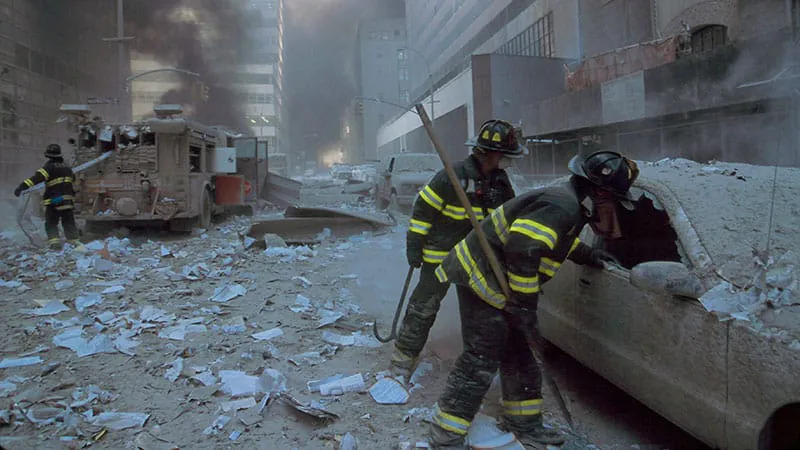
A quarter century after the September 11 attacks, cancer diagnoses tied to World Trade Center (WTC) exposure keep climbing. Long-latency malignancies like mesothelioma are only now entering their expected diagnosis windows, and experts warn the worst may not be over. Clinicians are urged to ask patients about 9/11 exposure history and connect eligible individuals to the no-cost federal WTC Health Program.
Twenty-five years after 9/11, the health fallout from the World Trade Center disaster is far from over. New data show that cancer diagnoses certified as WTC-related are still rising — 177 cases were reported in 2023, 235 in 2025, and 132 in just the first half of 2026. Experts describe this as the "third wave" of 9/11-related illness, as long-latency cancers like mesothelioma, lymphoma, thyroid, and digestive system malignancies are only now entering their expected diagnosis windows. Roughly 400,000 people were exposed to the toxic dust and smoke of lower Manhattan, and over 140,000 are now enrolled in the federal WTC Health Program.
The program, created by the James Zadroga 9/11 Health and Compensation Act of 2010, provides no-cost monitoring and treatment — and it's making a measurable difference. Northwell Health's WTC Clinical Center has seen an estimated 75% increase in lymphoma, thyroid, digestive, and prostate cancer cases over the past three years alone.
By the Numbers:
Why it matters: Clinicians nationwide should ask patients about potential 9/11 exposure — many eligible individuals may no longer live near New York or may not connect current illnesses to past exposure. Enrolling them in the WTC Health Program could be lifesaving.