Curie Brief
Turn on cookies to sign in
Signing in saves your progress to your Curie account. We can only do that with cookies on — turn them on to continue.
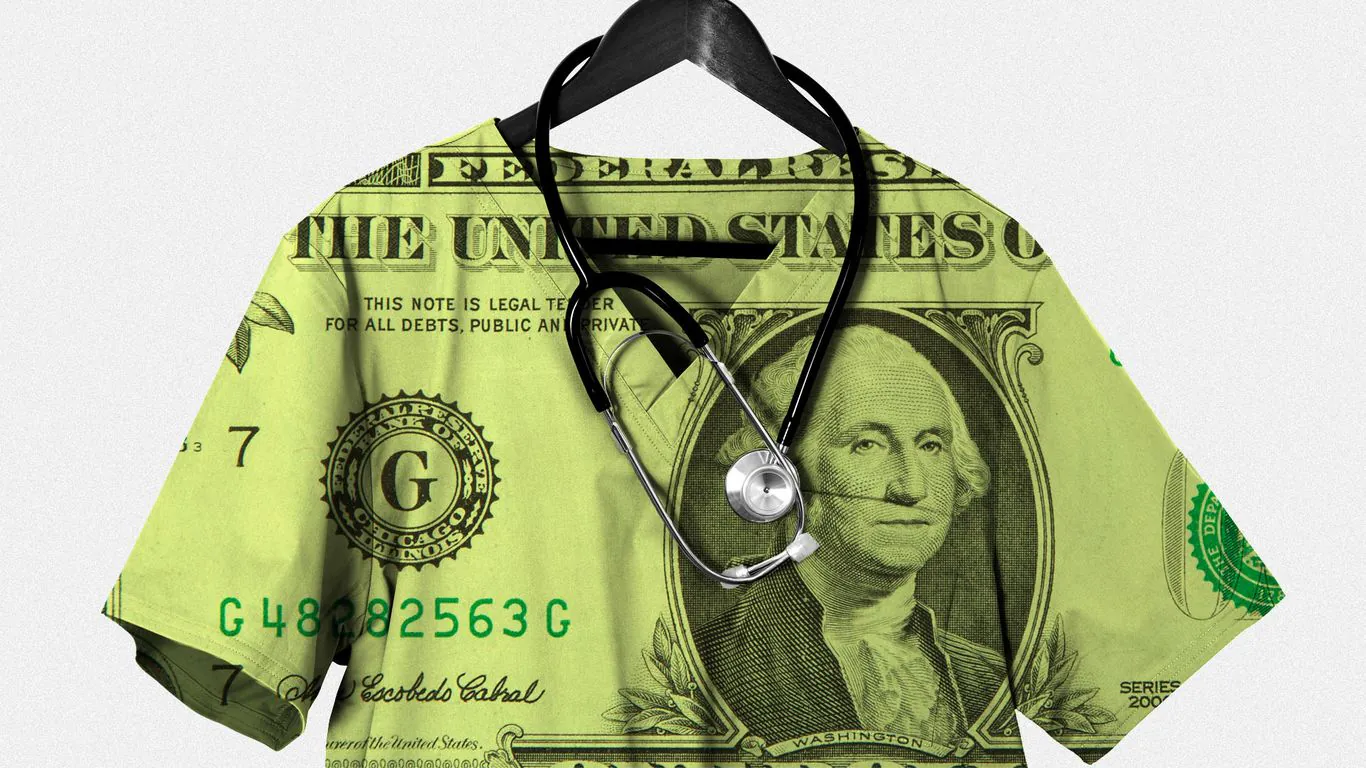
California is rolling out one of the country's most aggressive healthcare cost-control measures yet, slapping steep penalties on hospitals, physician groups, and insurers that exceed state-set spending caps. Violators could owe up to 125% of the amount they overspend, with fines starting in 2028. But hospitals are already pushing back — and one industry group has sued to block the caps entirely.
California is taking a hard line on runaway healthcare costs, adopting some of the steepest enforcement mechanisms in the country. Hospitals, physician groups, and insurers that exceed the state's per capita spending growth caps will face penalties of up to 125% of the amount they overspend — with the earliest fines expected in 2028. The spending growth cap started at 3.5% in 2025 and is set to gradually fall to 3% by 2029, with seven "high-cost" hospitals held to even tighter targets.
The move puts California ahead of the nine other states that have instituted health spending benchmarks since 2013 — most of which have seen limited impact, partly due to weak enforcement. Experts say California's willingness to attach real financial consequences could be the differentiator, though the proof will be in whether policymakers hold firm when political pressure mounts.
Key Takeaways:
Why it matters: Healthcare affordability is a growing crisis, and hospital prices are widely seen as the biggest driver. California's experiment could become a national model — or a cautionary tale — for how far states can push back on costs without disrupting care.