Curie Brief
Turn on cookies to sign in
Signing in saves your progress to your Curie account. We can only do that with cookies on — turn them on to continue.
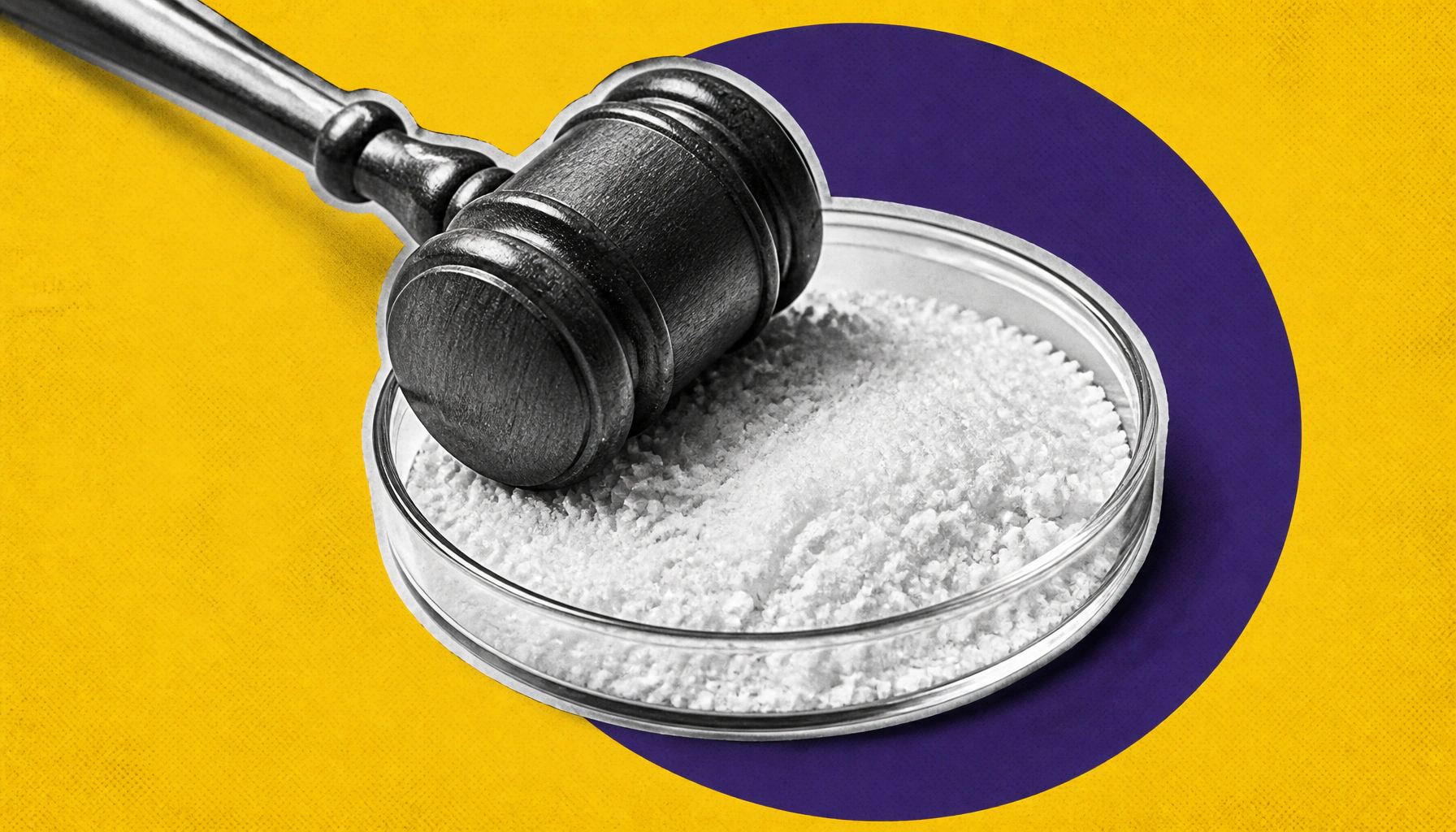
A 2023 lab study found that sucralose-6-acetate — a byproduct linked to the popular sweetener Splenda — damaged DNA and weakened gut barrier cells in laboratory experiments. But a sweeping 2026 European safety review concluded sucralose remains safe at currently approved levels, and newer genetic toxicity tests on commercial sucralose came back largely negative.
A 2023 study from North Carolina State University raised eyebrows when it reported that sucralose-6-acetate — a chemical impurity found in the artificial sweetener sucralose (sold as Splenda) — broke DNA strands in human blood cells and made intestinal tissue more "leaky" in lab experiments. The researchers also noted that trace amounts of this compound in a single sucralose-sweetened drink could exceed Europe's conservative safety screening threshold for potentially DNA-damaging substances.
But the full picture is more nuanced. In February 2026, the European Food Safety Authority (EFSA) completed a comprehensive reassessment and reaffirmed sucralose's safety at currently approved intake levels, finding no genotoxicity concern. A separate study published in Food and Chemical Toxicology in August 2026 tested commercial sucralose across multiple genetic toxicity assays and found largely negative results. The FDA also continues to recognize sucralose as safe, backed by over 110 studies.
Key Takeaways:
Why it matters: Millions of people consume sucralose daily as a sugar substitute. While lab studies warrant continued investigation, current regulatory consensus holds that normal use is safe — though questions about heating, gut health, and metabolic effects remain active areas of research.