Curie Brief
Turn on cookies to sign in
Signing in saves your progress to your Curie account. We can only do that with cookies on — turn them on to continue.
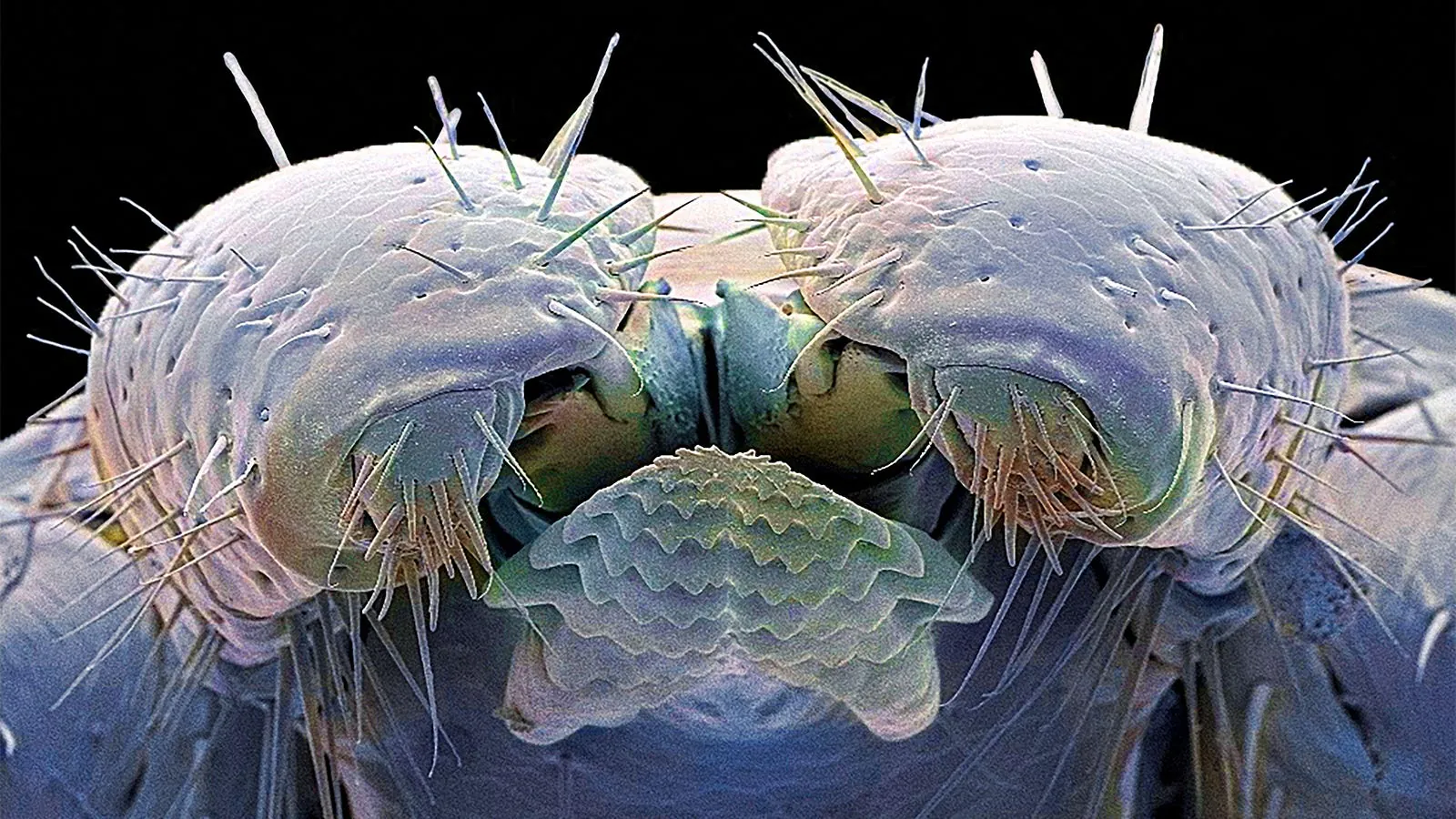
The U.S. eliminated malaria within 50 years of understanding it — so why is Lyme disease still spreading after the same amount of time? Experts argue that decades of relying on personal protection have failed, and a bold, federally-led "Operation Tick Speed" is needed. The plan calls for deer population management, new tick-control tools, vaccines, AI-driven research, and a coordinated national response.
The U.S. eradicated malaria by the early 1950s through sweeping federal action — draining mosquito habitats and widespread pesticide use across millions of homes. But Lyme disease, discovered around the same time malaria was eliminated, has only grown worse. Today, incidence rates top 100 per 100,000 in some endemic areas, and related tick-borne illnesses like babesiosis, anaplasmosis, and alpha-gal syndrome are expanding rapidly. In 2026 alone, up to half a million Americans are expected to contract Lyme disease.
Experts argue the core problem is structural: unlike the malaria fight, tick-borne disease control has been left largely to individuals — personal repellents, tick checks, and public education — with little federal coordination. That approach has clearly not delivered results. A proposed "Operation Tick Speed" would shift the paradigm toward aggressive, government-led intervention modeled on the successful malaria eradication campaign.
Key Takeaways:
Why it matters: Tick-borne diseases now constitute a major public health emergency across large parts of the U.S. Without a coordinated federal strategy, the epidemic is likely to keep expanding.