Curie Brief
Turn on cookies to sign in
Signing in saves your progress to your Curie account. We can only do that with cookies on — turn them on to continue.
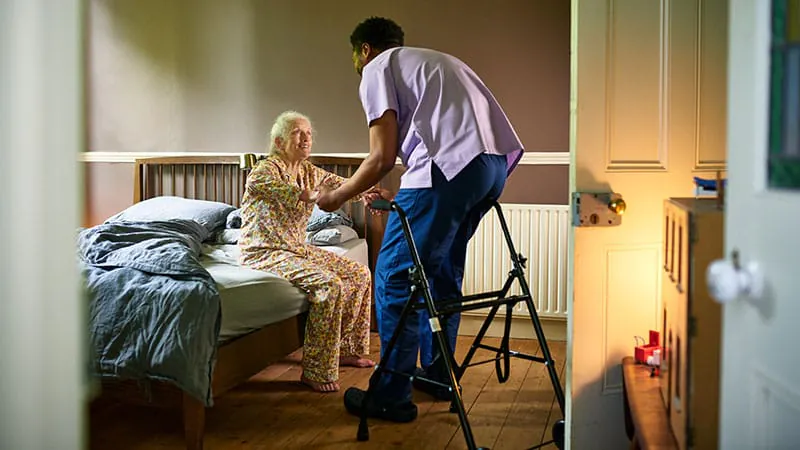
Many elderly care home residents with type 2 diabetes are staying on glucose-lowering drugs longer than may be appropriate. A large Danish study found that most residents continued treatment even when their blood sugar was already well-controlled — raising concerns about overtreatment and hypoglycemia risk in a vulnerable population.
A nationwide Danish study tracking nearly 89,000 care home residents found that about 1 in 8 had type 2 diabetes (T2D) and were using glucose-lowering medications at the time of admission. Despite having median A1c levels already below recommended targets, the vast majority — 84% — continued treatment for more than two years with little to no deintensification of their regimens.
The findings raise an important concern: elderly care home residents are a uniquely vulnerable group, and aggressive diabetes management can carry real risks. Hypoglycemia, falls, and medication burden are serious considerations, yet treatment intensity barely changed around the time of admission — a key moment when medication reviews typically occur.
By the Numbers:
Why it matters: As the population ages, getting diabetes care right in care homes is increasingly critical. This study highlights a gap in medication review practices — and a need for clearer, individualized guidelines that weigh real-world risks for elderly residents.