Curie Brief
Turn on cookies to sign in
Signing in saves your progress to your Curie account. We can only do that with cookies on — turn them on to continue.
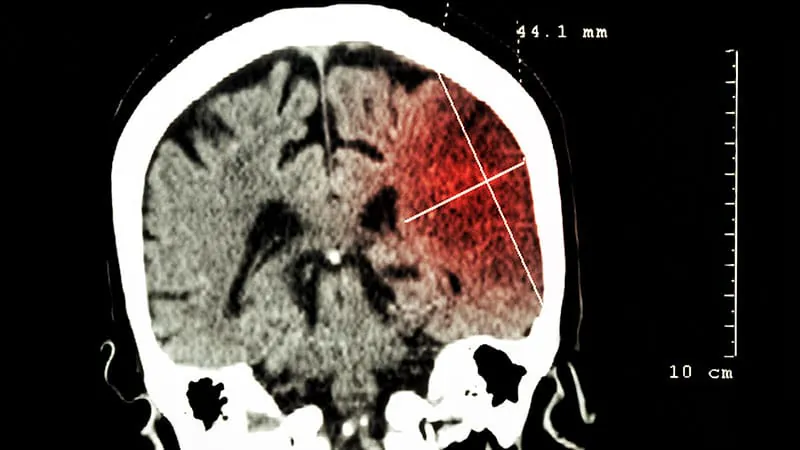
The first three months after a cancer diagnosis are the most dangerous for stroke risk, according to a large Israeli study. Among 182,000+ cancer patients, ischemic stroke risk was 2.5 times higher than the general population in that early window. Lung and pancreatic cancer patients faced the steepest odds, with pancreatic cancer patients six times more likely to have a stroke within a year.
A nationwide Israeli study of over 182,000 cancer patients has found that ischemic stroke risk spikes sharply in the first three months after diagnosis — reaching 2.5 times the rate seen in the general population. The risk gradually declines but remains elevated for up to a year (and even out to three years in extended follow-up), establishing what researchers call a "critical window" for vascular monitoring.
Not all cancers carry equal risk. Pancreatic and lung cancer patients faced the highest stroke burden, while breast and prostate cancer diagnoses showed no significant elevation in risk. Younger patients (ages 40–54) and those with metastatic disease also showed disproportionately higher relative risks, likely reflecting the low baseline stroke rate in younger adults and the more aggressive biology of advanced cancers.
Why it matters: Stroke in cancer patients is often more severe and linked to higher mortality. These findings push clinicians to think about vascular health — not just tumor management — right from the moment of diagnosis, particularly for high-risk cancer types.