Loading Curie Briefs...
Getting the latest healthcare news for you
Getting the latest healthcare news for you

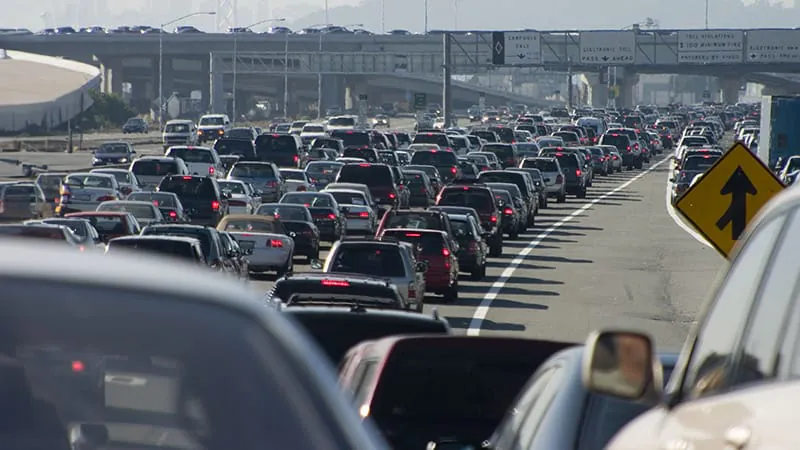
Your neighborhood soundscape may be shaping your stroke outlook. A new prospective study found that patients with ischemic stroke who lived in noisier areas had a 36% higher risk of experiencing another stroke compared to those in quieter neighborhoods. The findings add transportation noise to the growing list of environmental factors that can influence long-term stroke prognosis.
It's not just what's inside your body — where you live matters too. A prospective cohort study published in the Journal of the American Heart Association found that higher residential exposure to transportation noise was linked to a significantly elevated risk of stroke recurrence among ischemic stroke survivors. The study tracked over 2,400 patients for a median of 2.2 years, measuring noise levels within 100 meters of each patient's home.
Patients in the highest noise exposure group (75th percentile) had a 36% higher rate of stroke recurrence compared to those in the lowest group (25th percentile), even after adjusting for demographics, health behaviors, neighborhood characteristics, and air pollution. Notably, noise exposure was not associated with initial stroke severity or overall mortality.
By the Numbers:
Why it matters: This study highlights transportation noise as a potentially modifiable environmental risk factor for stroke recurrence — one that's often overlooked in clinical settings. As urban populations grow, integrating noise exposure into stroke risk assessments and urban planning could open new avenues for prevention.